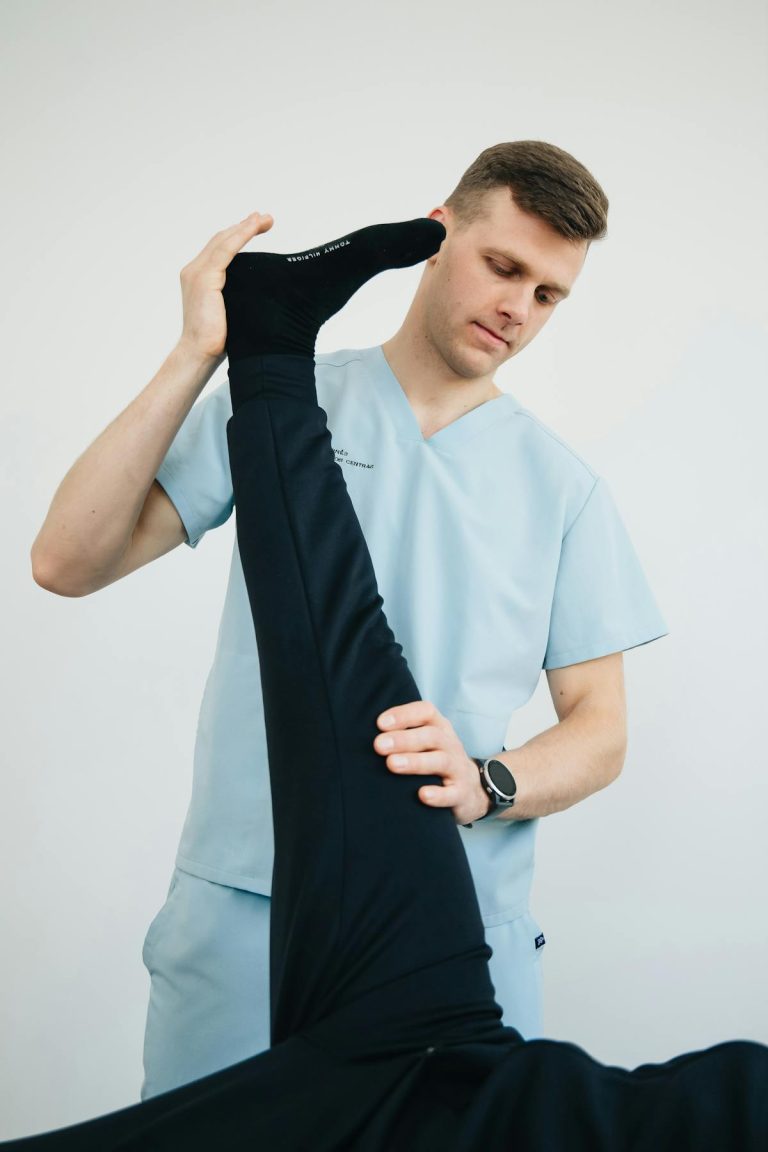

Mental Health and Bodybuilding: Motivation, Burnout, and Body Image When most people talk about bodybuilding, the conversation quickly turns to training splits, nutrition plans, and progressive overload. But the truth is, mental health and bodybuilding are inseparable. The psychological demands of this sport — the relentless discipline, the slow-moving progress, the comparison culture — can…
Mental Health and Bodybuilding: Motivation, Burnout, and Body Image
When most people talk about bodybuilding, the conversation quickly turns to training splits, nutrition plans, and progressive overload. But the truth is, mental health and bodybuilding are inseparable. The psychological demands of this sport — the relentless discipline, the slow-moving progress, the comparison culture — can quietly wear down even the most dedicated athlete. Whether you’re a competitive bodybuilder in Sydney or a weekend warrior lifting in a suburban Brisbane gym, understanding the mental side of training is just as important as mastering your macros.
Why Mental Health Matters in Bodybuilding
Bodybuilding demands more psychological resilience than almost any other pursuit. Research consistently shows that athletes who neglect their mental wellbeing are more likely to experience performance decline, chronic injury, and eventual dropout. In Australia, where the fitness culture is vibrant and intensely social, the pressure to look and perform a certain way adds an additional layer of psychological strain.
Training Motivation: How to Find It and Keep It
Intrinsic vs. Extrinsic Motivation
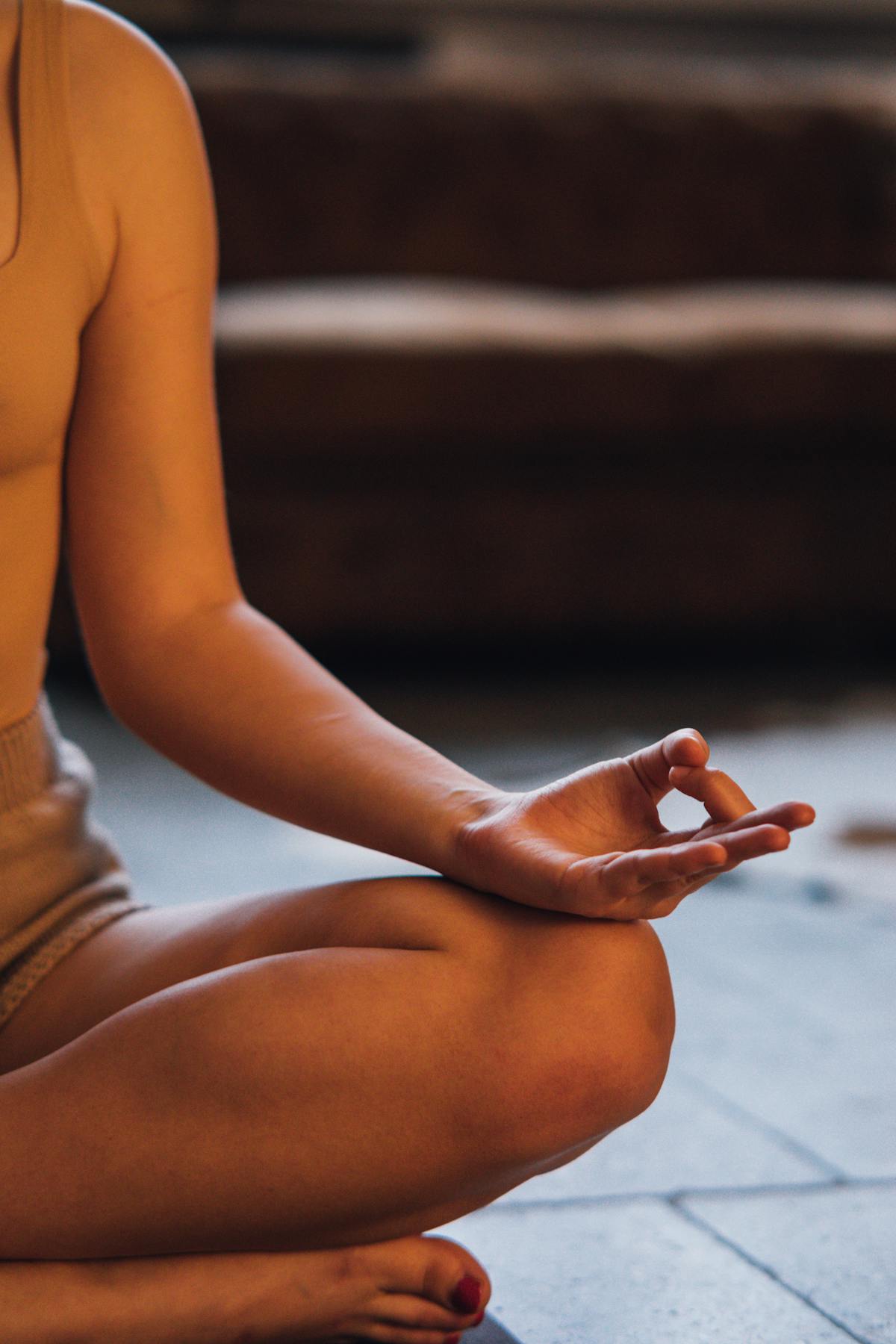
Sports psychologists draw a clear line between intrinsic motivation (training because you genuinely love the process, crave self-improvement) and extrinsic motivation (training for external validation — likes on Instagram, compliments at the gym). Both can get you through the gym door, but only intrinsic motivation sustains a long-term bodybuilding lifestyle without burning you out.
Goal-Setting That Actually Works
Vague goals breed vague effort. “Get bigger” is not a goal — it’s a wish. Break your training objectives into specific, measurable, and time-bound targets. For a deeper look at structuring your training intelligently, check out our guide on How to Build Muscle: A Science-Based Guide for Australian Bodybuilders.
Dealing With Plateaus — Mentally and Physically
Every bodybuilder hits a plateau. It’s not a sign of failure; it’s a biological inevitability. The key is reframing what a plateau means. It doesn’t mean you’ve stopped growing — it means your body has adapted to its current stimulus. Recovery is also deeply underrated — our article on Sleep Optimization for Bodybuilders: Maximize Your Gains at Night explores how crucial rest is not just physically but for mental resilience.
Recognising and Recovering From Burnout
Signs You May Be Burned Out
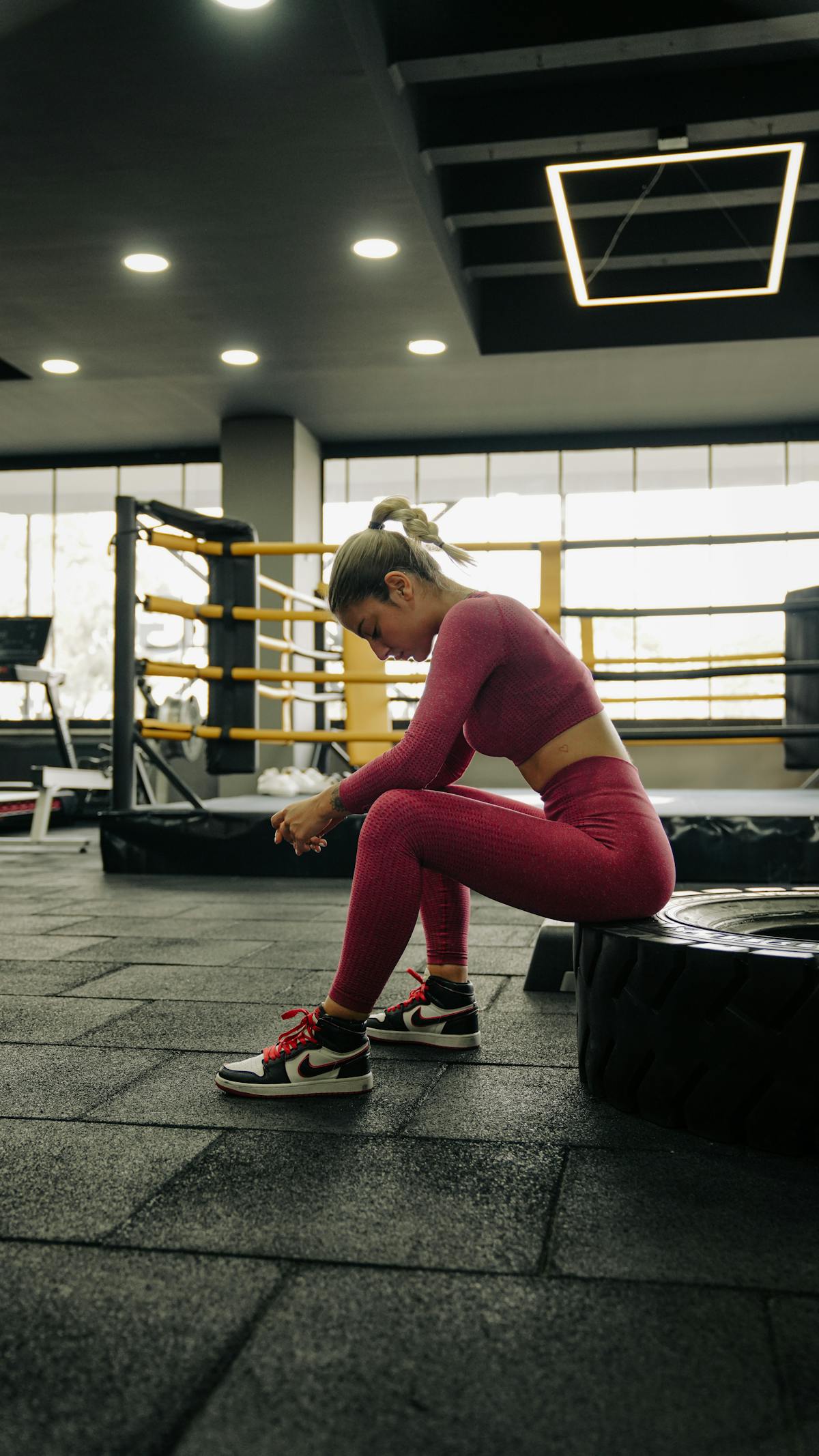
- Persistent fatigue that doesn’t improve with rest
- Dreading training sessions you once looked forward to
- Irritability, mood swings, or increased anxiety
- Declining performance despite consistent effort
- Loss of appetite or disordered eating patterns
- Social withdrawal and inability to enjoy things outside the gym
How to Actually Recover
True recovery from burnout requires more than a deload week. It often means taking a genuine, guilt-free break from structured training. During this time, moving your body in ways that feel joyful — surfing, bushwalking, swimming at the beach — can help rebuild a positive relationship with physical activity. For a big-picture view of sustainable training, our article on Longevity and Performance: How to Train Hard and Stay Healthy for Life offers a solid framework.
Mental Health Bodybuilding and Body Dysmorphia
One of the most serious mental health challenges in the bodybuilding community is muscle dysmorphia — a condition where an individual becomes obsessed with the belief that their body is not muscular or lean enough, regardless of how they actually look. Signs include: never feeling “stage ready” regardless of condition, compulsively checking the mirror, avoiding social situations because your physique “isn’t where it needs to be,” or experiencing severe anxiety when unable to train.
These patterns aren’t signs of dedication — they’re signs that the sport has stopped serving your life and started controlling it. Speaking to a psychologist with experience in sport or eating behaviours can be transformative.
Social Media, Comparison Culture, and the Australian Fitness Scene
Instagram and TikTok have transformed how bodybuilders see themselves and each other. Constant exposure to highlight-reel content activates comparison — a mental habit that research consistently links to lower self-esteem, higher rates of anxiety, and disordered eating.
A practical approach: be intentional about your feed. Unfollow accounts that consistently leave you feeling worse about yourself. Seek out content from coaches and athletes who talk openly about the mental challenges of the sport.
Balancing Obsession With Healthy Commitment
Ask yourself: Do I enjoy my life outside the gym? Are my relationships healthy? Can I handle a missed session or an unplanned meal without significant distress? For a realistic look at how to structure a bodybuilding lifestyle that accommodates work, relationships, and life in Australia, see our article on The Bodybuilding Lifestyle in Australia: Training, Work, and Life Balance.
Community, Training Partners, and Connection
A great training partner is more than a spotter — they’re accountability, motivation, honest feedback, and genuine camaraderie. If you’re training alone and struggling mentally, consider joining a local powerlifting or bodybuilding club or attending group training sessions.
Mindfulness and Stress Management for Bodybuilders
Managing cortisol, improving sleep quality, and reducing baseline anxiety all have measurable effects on muscle retention, recovery speed, and training consistency. Even five minutes of intentional breathing before a session can shift your nervous system from a stressed, distracted state into one primed for focused effort. Apps like Smiling Mind (developed in Australia) offer free, accessible guided mindfulness programs.
Australian Mental Health Resources Worth Knowing
- Beyond Blue — beyondblue.org.au | Phone: 1300 22 4636
- Lifeline Australia — lifeline.org.au | Phone: 13 11 14 | 24/7 crisis support
- headspace — headspace.org.au | Mental health support for Australians aged 12–25
- MensLine Australia — mensline.org.au | Phone: 1300 78 99 78
- SANE Australia — sane.org | Support including body image and eating disorders
Final Thoughts
The mental health bodybuilding conversation is long overdue. The sport demands so much from the mind — and yet the psychological dimension of that journey is rarely given the same respect as the physical one. Train hard. Recover well. Look after your mind. And don’t be afraid to ask for help when you need it.