
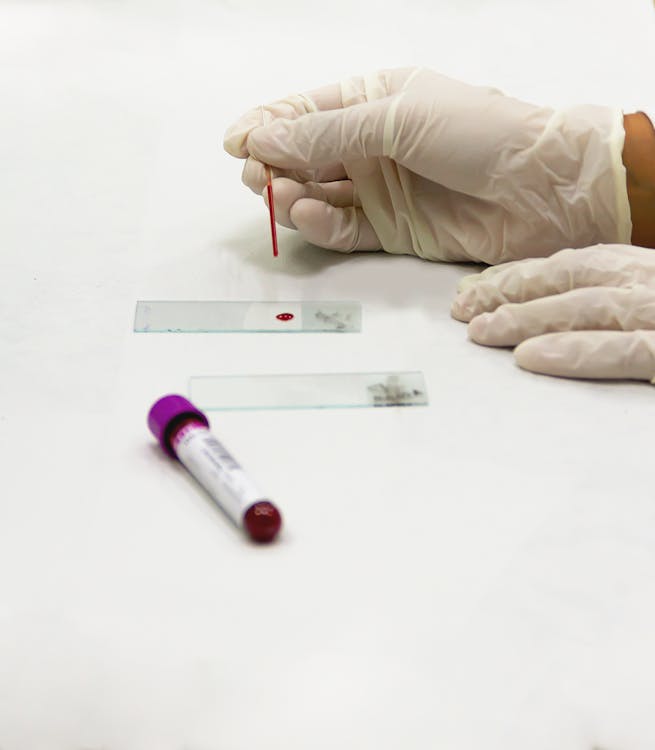
Blood Tests Every Bodybuilder Should Get: A Complete Health Guide Serious training demands serious self-knowledge. If you’re putting your body through the demands of structured resistance training, progressive overload, and aggressive nutritional protocols, then blood tests for bodybuilders in Australia are not optional — they’re a fundamental part of training smart. A blood panel gives…
Blood Tests Every Bodybuilder Should Get: A Complete Health Guide
Serious training demands serious self-knowledge. If you’re putting your body through the demands of structured resistance training, progressive overload, and aggressive nutritional protocols, then blood tests for bodybuilders in Australia are not optional — they’re a fundamental part of training smart. A blood panel gives you an objective, data-driven picture of what’s happening inside your body: whether your organs are handling the load, whether your hormones are optimised, and whether nutritional gaps are holding back your progress. This guide covers the biomarkers that matter most for strength athletes, what results to look for, and how to access testing affordably across Australia.
Why Blood Tests Matter for Serious Australian Bodybuilders
Most people see a doctor when something goes wrong. High-performing athletes need to be more proactive than that. The physiological demands of training — heavy mechanical loading, elevated calorie intake, intense metabolic stress, and frequent sleep disruption — all place unique pressures on the body’s systems. Standard reference ranges in pathology reports are built around the general sedentary population, which means results that look “normal” for the average Australian may represent a suboptimal state for a competitive bodybuilder or serious gym athlete.
Regular blood testing allows you to:
- Catch early warning signs before they become clinical problems
- Understand whether your nutrition and supplementation strategies are working
- Monitor organ function under the demands of heavy training
- Track hormonal health and identify imbalances affecting performance and recovery
- Build a longitudinal health record that shows trends over time
Pairing this kind of objective data with a smart approach to Post-Workout Recovery: Science-Backed Strategies for Serious Athletes gives you the full picture of how your body is responding to your programme.
The Core Blood Panel: Key Biomarkers for Bodybuilders

Not every test on the pathology menu is relevant to strength athletes. The following panel covers the biomarkers with the highest practical value for bodybuilding-specific health monitoring.
Full Blood Count (FBC / CBC)
The full blood count is the starting point for any comprehensive health assessment. It measures red blood cells, white blood cells, haemoglobin, haematocrit, and platelets. For bodybuilders, the most relevant values are:
- Haemoglobin and haematocrit — indicators of oxygen-carrying capacity. Low haemoglobin (anaemia) causes fatigue, reduced endurance, and poor recovery. Athletes training at high volumes are at elevated risk of iron-deficiency anaemia.
- White blood cell count — a marker of immune system status. Chronically suppressed white cell counts can indicate overtraining syndrome.
- Mean corpuscular volume (MCV) — red blood cell size, useful for identifying the type of anaemia if haemoglobin is low.
Athlete-optimal haemoglobin is typically at the higher end of normal: approximately 145–175 g/L for males and 130–155 g/L for females.
Lipid Panel (Cholesterol Profile)
Cardiovascular health is non-negotiable for longevity in the sport. A standard lipid panel measures total cholesterol, LDL (low-density lipoprotein), HDL (high-density lipoprotein), and triglycerides. For bodybuilders in Australia, the relevant targets are:
- Total cholesterol — ideally below 5.5 mmol/L
- LDL cholesterol — below 3.0 mmol/L for general health; ideally below 2.0 mmol/L for those with cardiac risk factors
- HDL cholesterol — above 1.0 mmol/L for males and 1.2 mmol/L for females; higher is better
- Triglycerides — below 1.7 mmol/L; elevated triglycerides often reflect excess refined carbohydrate intake
Resistance training generally improves lipid profiles over time, but aggressive bulking phases with high saturated fat intake can shift LDL upwards. Monitoring this annually — or more frequently if results are borderline — is a sensible approach.
Liver Enzymes (LFTs)
Liver function tests are particularly relevant for athletes using oral supplements, pre-workouts, or any products processed by the liver. The primary markers are:
- ALT (alanine aminotransferase) — the most sensitive marker of liver cell stress. Reference range: 7–55 U/L. Mildly elevated ALT can occur after intense exercise due to muscle breakdown releasing the enzyme — context matters.
- AST (aspartate aminotransferase) — elevated by both liver stress and muscle damage. Should be interpreted alongside ALT.
- GGT (gamma-glutamyl transferase) — more specific to liver function than AST; useful for distinguishing liver-origin from muscle-origin enzyme elevations.
- ALP and bilirubin — markers of bile duct function and red blood cell breakdown.
Athletes with consistently elevated ALT and AST after heavy training phases should test at least 48–72 hours after their last session for a cleaner baseline reading.
Kidney Function (Renal Panel / UEC)
High-protein diets and intense training place demands on the kidneys. The urea, electrolytes, and creatinine (UEC) panel is the standard assessment:
- Creatinine and eGFR (estimated glomerular filtration rate) — measures kidney filtration capacity. Important note: serum creatinine is naturally higher in people with significant muscle mass, so eGFR calculations using standard equations can underestimate kidney function in lean, muscular athletes. Contextualise with your doctor.
- Urea — a byproduct of protein metabolism. Mildly elevated urea is expected on high-protein diets.
- Electrolytes (sodium, potassium, bicarbonate) — critical for nerve function, hydration balance, and muscle contractility.
Staying well-hydrated and ensuring protein intake doesn’t chronically exceed 2.5 g/kg/day is generally sufficient to protect renal health in individuals without pre-existing kidney conditions.
Testosterone and Sex Hormones
Testosterone is the primary anabolic hormone driving muscle growth, strength, bone density, and recovery capacity. Bodybuilders should monitor:
- Total testosterone — adult male optimal range for athletes: 15–35 nmol/L. Values below 10 nmol/L are associated with reduced muscle growth, fatigue, and mood disturbance.
- Free testosterone — the biologically active fraction. More clinically meaningful than total testosterone alone.
- SHBG (sex hormone-binding globulin) — binds testosterone, reducing its availability. High SHBG can suppress free testosterone even when total testosterone appears normal.
- LH and FSH — pituitary hormones that signal the testes to produce testosterone. Useful for understanding whether low testosterone is primary (testicular) or secondary (pituitary/hypothalamic).
- Oestradiol (E2) — oestrogen plays important roles in bone health and cardiovascular function in males; both very low and very high levels are problematic.
For female athletes, a broader hormonal panel including progesterone and assessment of menstrual regularity is warranted if performance or recovery suddenly changes.
Thyroid Function (TSH, Free T3, Free T4)
The thyroid regulates metabolic rate, energy levels, body temperature, and mood. Subclinical hypothyroidism — where TSH is elevated but T3/T4 are still within range — is more common than many lifters realise and can cause:
- Difficulty losing body fat despite appropriate calorie deficits
- Persistent fatigue and poor recovery
- Cold intolerance and reduced workout performance
Athlete-optimal TSH is generally considered to fall between 1.0 and 2.5 mIU/L, though laboratory reference ranges extend to around 4.0 mIU/L. If TSH is elevated, requesting free T3 and free T4 provides the complete picture. Long-term calorie restriction during aggressive cutting phases can also temporarily suppress thyroid output — another reason to test during cuts.
Vitamin D (25-OH Vitamin D)
Despite Australia’s enviable sunshine, vitamin D deficiency is surprisingly prevalent among Australians who train primarily indoors, use high-SPF sunscreen, or live in southern states during winter. Vitamin D plays crucial roles in:
- Muscle protein synthesis and strength output
- Testosterone production
- Bone density and injury resistance
- Immune function and inflammation regulation
Standard sufficiency is defined as above 50 nmol/L, but research suggests athletes benefit from levels of 75–150 nmol/L. Request a 25-OH vitamin D test — it’s Medicare-rebateable with a GP referral.
Iron Studies
Iron deficiency is the most common nutritional deficiency among endurance athletes and high-volume resistance trainers, particularly among female athletes and vegans or vegetarians. Iron studies should include:
- Serum ferritin — the best indicator of iron stores. Athlete-optimal ferritin is generally 50–200 ng/mL for males and 30–150 ng/mL for females. Values below 20 ng/mL impair oxygen transport and muscle function even before full anaemia develops.
- Serum iron and transferrin saturation — assess iron available for transport and use.
Note that ferritin is also an acute-phase reactant — it rises during infection or inflammation, which can mask true iron deficiency. Interpret in context.
Blood Tests Bodybuilders in Australia Can Access: How the System Works
Australia’s healthcare system gives serious athletes multiple affordable pathways to comprehensive blood testing.
Through Your GP and Medicare
The most cost-effective route for blood tests for bodybuilders in Australia is through your general practitioner. A GP can request pathology tests on Medicare, meaning most standard panels — FBC, lipids, liver function, kidney function, thyroid, testosterone (for males with symptoms), vitamin D, iron studies — carry little to no out-of-pocket cost. The catch is that Medicare’s rebate system requires clinical justification; your GP needs a reason to order each test.
The solution is to be direct with your GP. Explain that you’re a serious strength athlete and want a comprehensive health check. Many GPs are comfortable ordering a broad panel for a motivated patient. Finding a GP who is familiar with sports medicine or athlete health makes this conversation considerably easier.
Private Pathology: Dorevitch, Sonic, and Others
For tests your GP won’t order on Medicare, or if you want results without a GP referral, private pathology services allow self-referral at your own cost. Major providers across Australia include:
- Dorevitch Pathology — strong presence in Victoria
- Sonic Healthcare (including Sullivan Nicolaides, Australian Clinical Labs, and Laverty) — broad national coverage
- QML Pathology — Queensland-focused
- Clinipath Pathology — Western Australia
Out-of-pocket costs for a comprehensive athlete panel paid privately typically range from $150 to $400 depending on the tests included. This is money well spent when you consider the value of the information you’re getting.
Sports Medicine and Exercise Physiology Clinics
For athletes wanting more specialised interpretation, a sports medicine physician can order a comprehensive panel with clinical context. Sports medicine practitioners understand athlete physiology and won’t flag elevated creatinine in a muscular athlete as kidney disease, or misinterpret elevated resting heart rate in a highly conditioned person. Private health insurance often covers a portion of these consultations.
How Often Should Bodybuilders Get Blood Tests?

The right testing frequency depends on your training intensity and history. As a general framework for blood tests for bodybuilders in Australia:
- Baseline panel — before starting any serious training programme, to establish your personal reference values
- Annual comprehensive panel — as a minimum for all active athletes
- Every 6 months — during periods of aggressive bulking or cutting, or when training volume is particularly high
- After illness, injury, or major dietary change — to assess any impact on biomarkers
- Quarterly — for competitive athletes or those with previously abnormal results requiring monitoring
Consistency in when you test matters as much as frequency. Test at the same time of day (morning, fasted), at the same point in your training cycle, and at least 48 hours after your last heavy session for the most comparable results.
Reading Your Results: What to Do With the Numbers
Pathology reports come with reference ranges, but those ranges are population averages — not athlete-specific targets. A few principles for interpreting your results intelligently:
- Trend matters more than a single data point. A result that’s moving in the wrong direction across three consecutive tests is more meaningful than a single out-of-range value.
- Context matters. Elevated creatinine in a muscular athlete, slightly elevated AST and ALT after a heavy training week, and lower-normal testosterone mid-cut are all likely training-related, not pathological.
- Don’t self-diagnose. Use your results as the starting point for a conversation with your doctor, not a source of panic or self-treatment.
- Build your own reference ranges. After several panels, you’ll know what your personal baseline looks like. Deviations from your own baseline are more meaningful than deviations from population averages.
When to See a Specialist
Your GP is the first port of call for most blood test results, but certain findings warrant a specialist referral:
- Persistently elevated liver enzymes (ALT above 100 U/L for more than 3 months) → gastroenterologist or hepatologist
- Consistently low testosterone with symptoms → endocrinologist
- Abnormal lipid profile not responding to dietary intervention → cardiologist or lipid specialist
- Abnormal thyroid results → endocrinologist
- Declining eGFR across multiple tests → nephrologist
The goal of regular testing is early detection — catching a trend before it becomes a crisis. This proactive mindset is inseparable from the long-term thinking required to sustain a serious training career. For more on building a physique that lasts decades, read our guide on Longevity and Performance: How to Train Hard and Stay Healthy for Life.
Integrating Health Monitoring Into Your Training Life
The best athletes treat their body as a system to be monitored, maintained, and optimised — not just pushed. Blood testing is one tool in a broader health-and-performance toolkit that includes smart programming, evidence-based nutrition, structured recovery, and injury prevention. Connecting these pieces is what separates athletes who train hard for a decade from those who burn out or break down after a few years.
If you’re training with the level of commitment that warrants this kind of monitoring, you should also be taking injury prevention seriously. Our resource on Injury Prevention and Rehab: Keeping Australian Bodybuilders in the Gym is essential reading for anyone putting their body under significant training load.
And underpinning all of it is the foundation of good programming. If you haven’t already built a structured, science-based approach to your training, start with How to Build Muscle: A Science-Based Guide for Australian Bodybuilders — because health monitoring only makes sense when you’re training right in the first place.
Get your baseline panel done. Book the appointment, take the test, and start building the data that will inform smarter decisions about your training and health for years to come. Your future self — still training hard at 40, 50, and beyond — will thank you for it.