The Ultimate Bodybuilder’s Nutrition Guide for Australia Getting your bodybuilder nutrition Australia strategy right is the single most important thing you can do outside the gym. You can train as hard as you like, but if your plate isn’t dialled in, you’re leaving serious size and strength on the table. This guide covers everything —…
The Ultimate Bodybuilder’s Nutrition Guide for Australia
Getting your bodybuilder nutrition Australia strategy right is the single most important thing you can do outside the gym. You can train as hard as you like, but if your plate isn’t dialled in, you’re leaving serious size and strength on the table. This guide covers everything — calorie targets, macros, meal timing, the best local food sources, eating on a budget, navigating Australian restaurants, and staying hydrated in our brutal climate.
For the muscle-building side of the equation, pair this guide with our deep-dive on How to Build Muscle: A Science-Based Guide for Australian Bodybuilders.
Why Bodybuilder Nutrition in Australia Demands a Local Approach
Most nutrition content online is written for North American or European athletes. Australia presents a unique set of variables: extreme summer heat that ramps up fluid and electrolyte needs, a distinct retail food landscape, seasonal produce cycles, and a strong café culture. Understanding these local factors is what separates a generic meal plan from one that actually works for an Aussie bodybuilder.
The Calorie Foundation: How Much Do You Actually Need?
Calculate your Total Daily Energy Expenditure (TDEE) using the Mifflin-St Jeor equation, then apply a phase-appropriate surplus or deficit.
- Bulking (muscle gain): TDEE + 10–20% (roughly 300–500 kcal surplus)
- Cutting (fat loss while preserving muscle): TDEE − 15–25% (roughly 400–600 kcal deficit)
- Maintenance / recomposition: TDEE ± 5%
Mastering Macros: The Core of Bodybuilder Nutrition Australia
Protein: The Non-Negotiable
Current evidence supports a target of 1.6–2.2 g of protein per kilogram of bodyweight per day for hypertrophy. A 90 kg athlete should aim for roughly 145–200 g daily.
Key Australian protein sources:
- Grass-fed beef — Widely available at Woolworths, Coles, and local butchers. Choose lean cuts like eye of round, topside, or extra-lean mince.
- Chicken breast and thigh — Budget-friendly in bulk at wholesale stores like Costco.
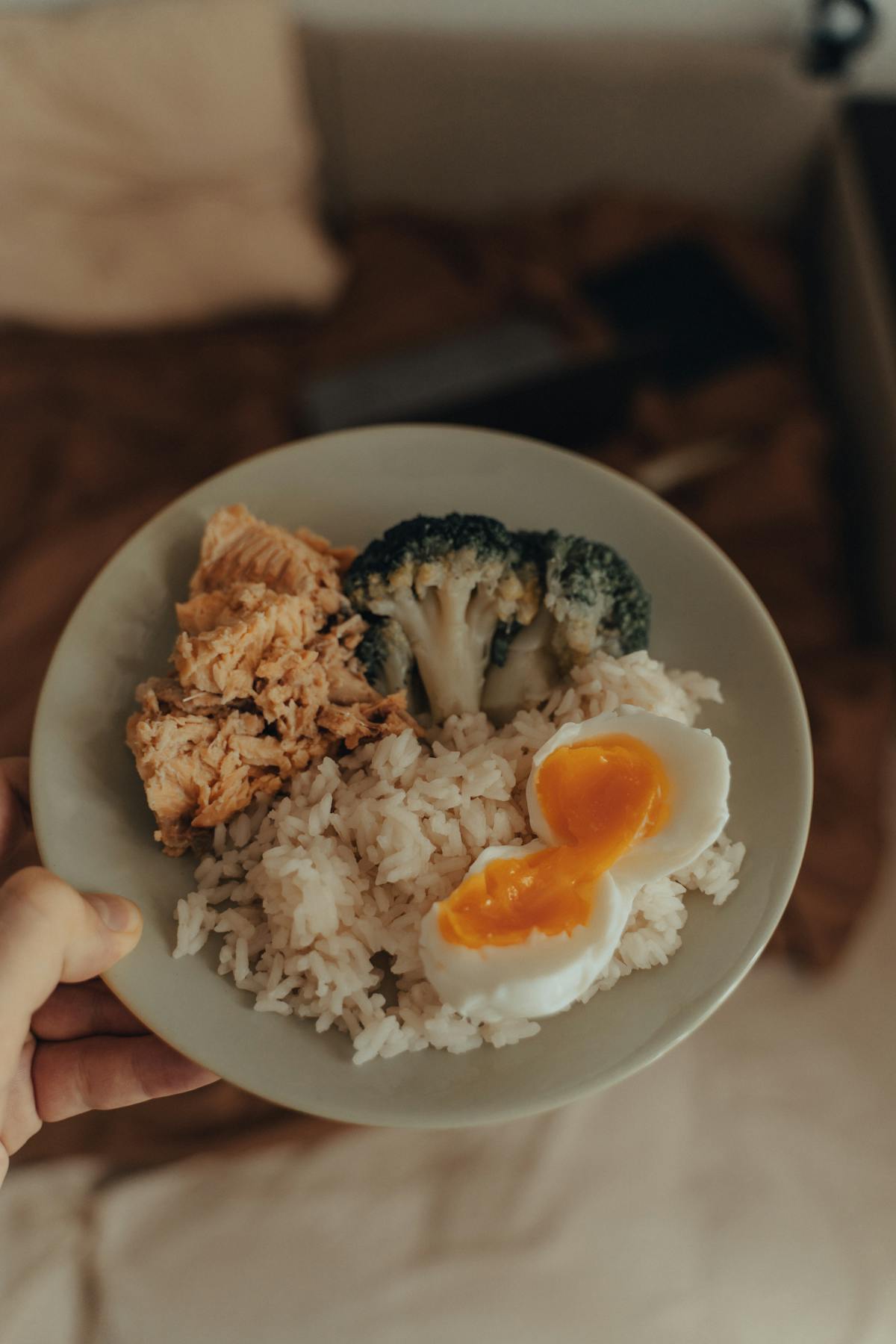
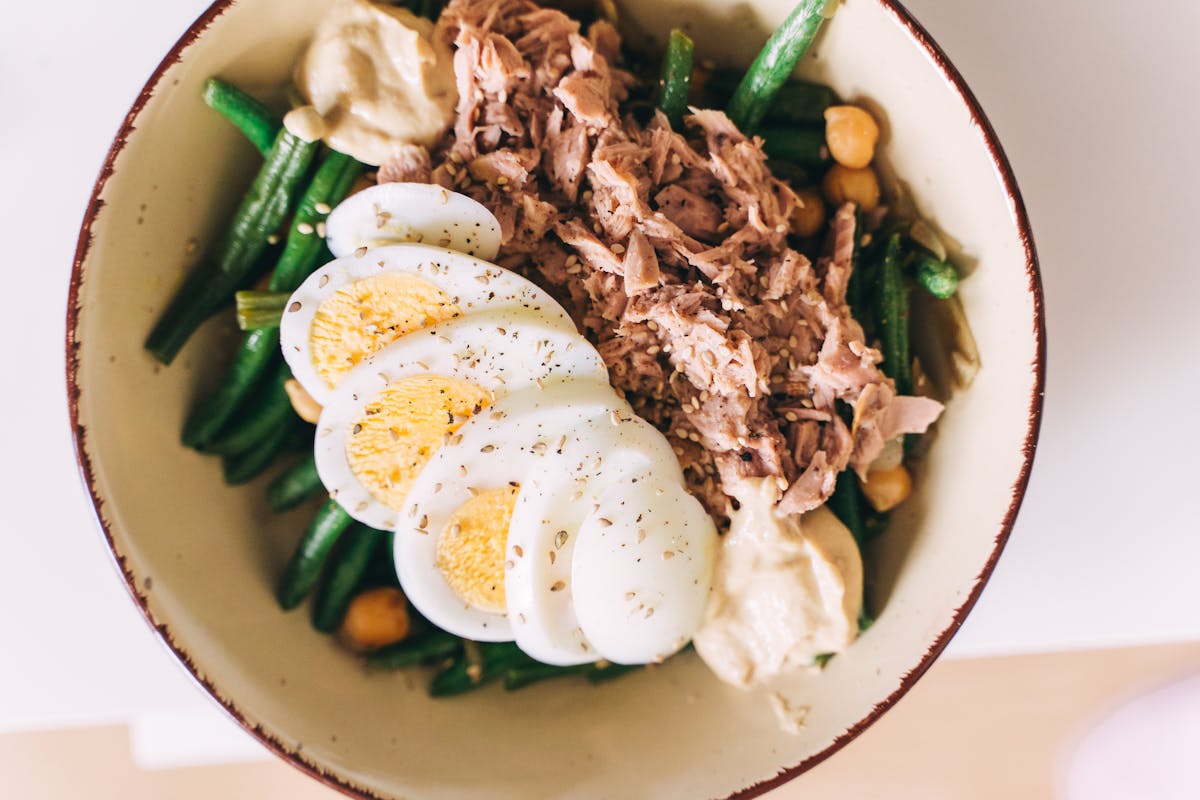
- Eggs — Among the best-value complete proteins available. Free-range dozen packs from Aldi frequently undercut major supermarket prices.
- Australian salmon and tuna — Wild-caught tuna from WA fisheries and salmon from Tasmanian aquaculture are excellent sources of protein and omega-3s.
- Dairy — Greek yoghurt (Chobani and Farmers Union), cottage cheese, and skim milk are high in casein and whey protein.
Carbohydrates: Fuel the Work
Aim for 3–5 g per kilogram of bodyweight during a mass phase, tapering to 2–3 g during a cut. Prioritise complex, whole-food sources:
- White and brown rice
- Sweet potato and regular potato — incredibly cheap and nutrient-dense in Australia
- Rolled oats — Homebrand oats from Coles or Woolworths cost under $2 per kilogram
- Seasonal Australian fruit — bananas, mangoes, oranges, and berries
Dietary Fats: Don’t Cut Them
Target 0.8–1.2 g per kilogram of bodyweight. Prioritise unsaturated sources (avocado, olive oil, mixed nuts, oily fish).
Meal Timing and Frequency
Pre-Workout Nutrition
Eat a balanced meal containing protein (30–40 g) and moderate-to-high carbohydrates 60–90 minutes before training.
Post-Workout Nutrition
Consume 30–50 g of fast-digesting protein within 60 minutes of finishing your session. For a full breakdown of recovery strategies, see our guide on Post-Workout Recovery: Science-Backed Strategies for Serious Athletes.
Night-Time Protein
A slow-digesting protein source 30–60 minutes before bed supports overnight muscle protein synthesis. 250 g of low-fat cottage cheese (approximately 27 g protein) or a casein shake are both effective.
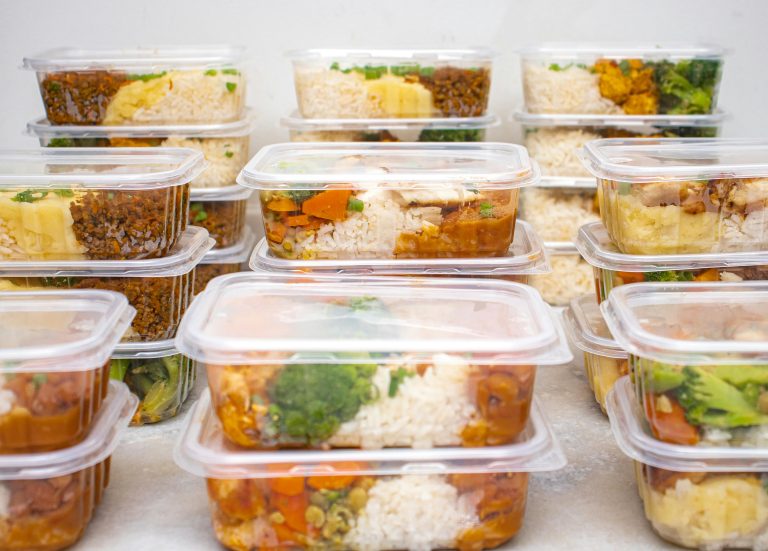
To simplify this entire process, check out our practical resource on High-Protein Meal Prep for Australian Bodybuilders.
Eating on a Budget in Australia

- Buy in bulk: Chicken breast, mince, and oats in larger quantities from Costco or local butchers
- Embrace eggs and legumes: Eggs at $4–6 per dozen and canned chickpeas at under $1.50 per can
- Shop seasonally: Australian fruit and vegetables are cheapest in-season
- Frozen over fresh when appropriate: Frozen fish fillets, peas, spinach retain most nutritional value
- Homebrand staples: Aldi, Coles, and Woolworths homebrand products are nutritionally identical to premium brands
Eating Out in Australia Without Derailing Your Diet
Café Culture
Most Australian cafés offer grilled chicken or smoked salmon on sourdough, eggs on toast, açaí bowls, and protein smoothies. Ask for sauces on the side and swap fried sides for salad.
Pubs and RSL Clubs
Chicken schnitzel (grilled, not fried), steak with salad and potato, and grilled fish with vegetables are bodybuilder-friendly pub staples.
Asian Restaurants
Japanese, Thai, and Chinese restaurants are among the most bodybuilder-friendly cuisines in Australia. Grilled teriyaki chicken, steamed rice, and lean stir-fry dishes all provide solid macros.
Hydration in the Australian Climate
A practical baseline is 35–45 mL per kilogram of bodyweight per day, with additional intake to compensate for sweat loss. In Queensland summer or during outdoor training, that figure can climb to 5–6 litres.
Electrolytes Matter
Heavy sweating depletes sodium, potassium, and magnesium. Add a pinch of sea salt to water during training and consume potassium-rich foods (banana, potato, yoghurt) post-session.
Supplements: The Final 5%
Supplements do not replace food. Our detailed breakdown covers exactly which products are worth your money in our guide to the Best Legal Supplements for Bodybuilders: What Actually Works.
Putting It All Together
Effective bodybuilder nutrition Australia is not complicated, but it does require consistency. Set your calories, hit your protein target every single day, time your carbohydrates around training, source your food from quality Australian producers, and stay ahead of dehydration. The athletes who make the best long-term progress are not those with the most complex diets — they’re the ones who execute the basics relentlessly.