
Injury Prevention and Rehab: Keeping Australian Bodybuilders in the Gym Every serious lifter eventually confronts the same hard truth: the biggest threat to long-term progress isn’t a bad training programme or a suboptimal diet — it’s injury. Effective injury prevention in bodybuilding is not a passive activity. It requires the same deliberate effort you bring…
Injury Prevention and Rehab: Keeping Australian Bodybuilders in the Gym
Every serious lifter eventually confronts the same hard truth: the biggest threat to long-term progress isn’t a bad training programme or a suboptimal diet — it’s injury. Effective injury prevention in bodybuilding is not a passive activity. It requires the same deliberate effort you bring to programming your sets, tracking your macros, and prioritising your sleep. This guide covers the most common injuries Australian bodybuilders face, the evidence-based strategies to avoid them, and what to do when the body does break down — because knowing how to rehab smart is just as important as knowing how to train hard.
The Most Common Injuries in Bodybuilding
Understanding where injuries tend to occur is the first step in injury prevention bodybuilding veterans rarely skip. Certain structures bear the brunt of heavy, repeated loading, and they are the ones most likely to eventually fail if you ignore early warning signs.
Rotator Cuff
The rotator cuff — a group of four muscles and their tendons surrounding the shoulder joint — is arguably the most commonly injured area in bodybuilding. Overhead pressing, heavy bench work, and lateral raise variations all place repeated stress on these structures. Rotator cuff strains and tears are frequently the result of poor pressing mechanics, insufficient warm-up, or progressing load too quickly before the stabilising muscles are adequately developed. Shoulder pain that worsens with overhead movements or that occurs specifically at the front or side of the joint should never be ignored.
Lower Back
The lumbar spine absorbs enormous compressive and shear forces during deadlifts, squats, barbell rows, and even seated pressing. Lower back injuries — ranging from muscle strains to disc herniations — are among the most debilitating a bodybuilder can experience because they affect almost every movement pattern. Rounding the lower back under load, hyperextending at lockout, or skipping core stability work are the most common contributors.
Knees
Patellar tendinopathy, IT band syndrome, and meniscal irritation are all common among heavy squatters and leg press enthusiasts. Knee issues often arise from muscular imbalances — particularly weak glutes and hamstrings relative to the quads — combined with poor squat depth management or knees caving inward under load. Ignoring early knee discomfort almost always leads to longer time out of the gym down the track.
Elbows
Medial and lateral epicondylitis (golfer’s and tennis elbow respectively), along with triceps tendinopathy, are frequent complaints among lifters who do heavy pressing and pulling volume. Elbow pain often develops gradually from repetitive strain and tends to be exacerbated by a sudden spike in training volume or grip-intensive work without adequate recovery.
Injury Prevention Bodybuilding Starts With the Warm-Up

A proper warm-up is the single most underutilised injury prevention tool in any gym. Watching most lifters go from the car park to a working set in under three minutes is one of the most reliable predictors of eventual injury. Tissue that hasn’t been progressively loaded and mobilised is less pliable, less responsive, and more vulnerable to sudden stress.
An effective warm-up for bodybuilding has two distinct phases:
- General warm-up (5–10 minutes): Elevate core temperature and heart rate with light cardio — a brisk walk, stationary bike, or rowing machine. This phase increases blood flow to muscles and begins loosening connective tissue.
- Specific warm-up (10–15 minutes): Work through progressive sets of your first exercise using sub-maximal loads. If your working weight is 120 kg on the bench press, you might perform sets at 40 kg, 70 kg, 90 kg, and 110 kg before approaching your working sets. Add joint-specific mobility drills — shoulder CARs (controlled articular rotations), hip circles, and thoracic extensions — relevant to the day’s training focus.
Never skip this phase. The 15 minutes you invest in a proper warm-up can prevent months of forced rest.
Technique: Your First Line of Defence
Poor technique under heavy load is a recipe for injury. This isn’t an opinion — it’s basic biomechanics. When joint angles are compromised and loading is distributed unevenly, the structures least equipped to handle that stress absorb force they were never designed for.
Prioritise learning correct movement patterns before adding load. For the squat and deadlift especially, spending time with a qualified strength coach or even recording yourself on video and comparing your form to established technical standards is genuinely worthwhile. Ego-driven loading is one of the primary drivers of serious injury in weight training environments.
Key technique principles that protect the body:
- Maintain a neutral spine during all loaded hinge and squat patterns
- Keep knees tracking over toes throughout the squat and lunge movement spectrum
- Retract and depress scapulae before pressing to stabilise the shoulder girdle
- Control the eccentric (lowering) phase — this is where most acute injuries occur
- Use full range of motion appropriate to your individual anatomy — not someone else’s
If your technique breaks down at a given weight, the weight is too heavy for that day. That’s not weakness — that’s intelligent bodybuilding. For a structured approach to building load safely over time, read our guide on Progressive Overload: The Key Principle Every Bodybuilder Must Know.
Mobility and Flexibility: The Long-Term Insurance Policy
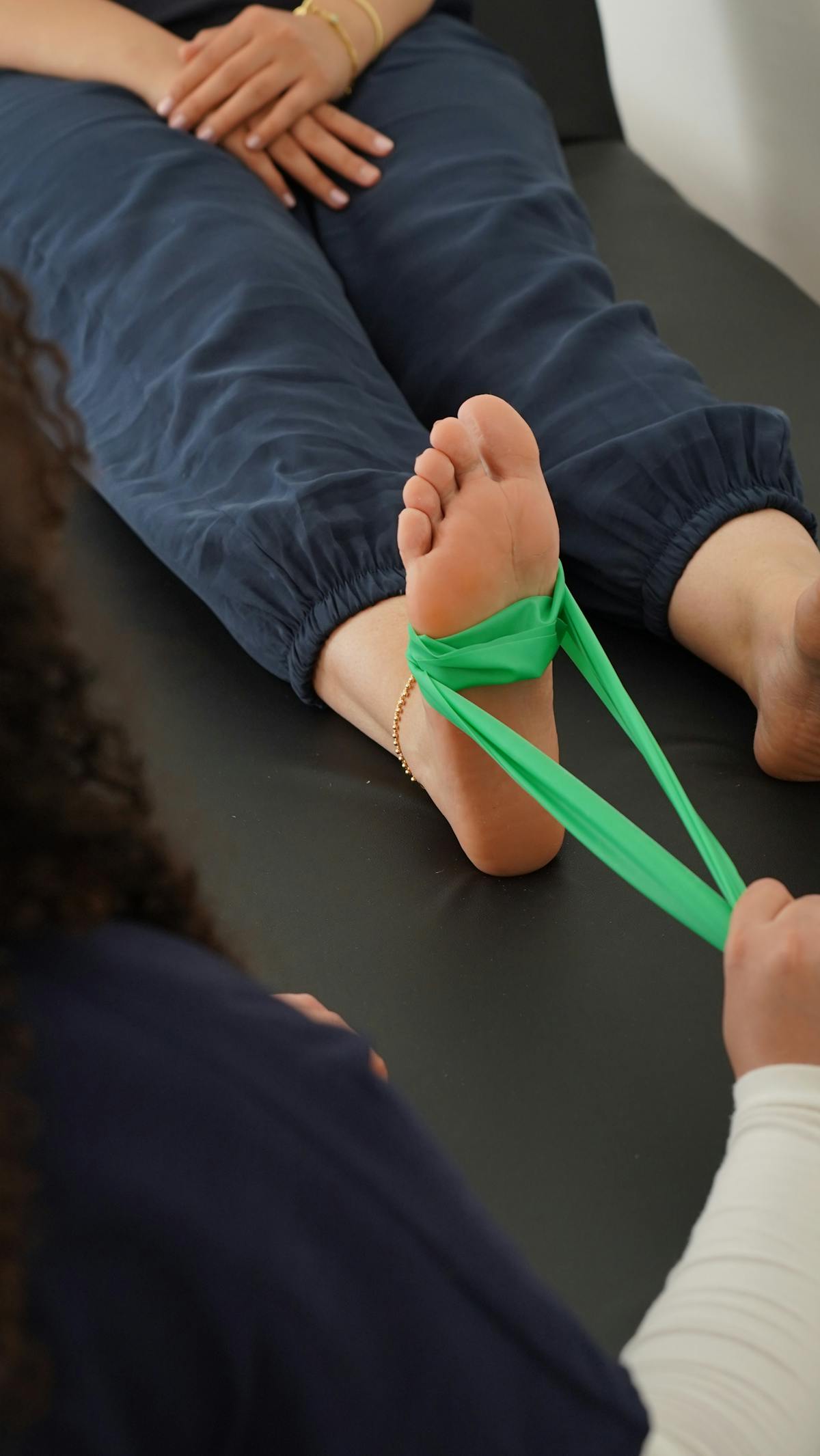
Mobility — the ability to move a joint actively through its full range of motion under control — is distinct from passive flexibility, and far more relevant to injury prevention in bodybuilding. A lifter who can squat to depth with a neutral spine under load has far greater protective capacity than one who can touch their toes but whose hip mobility collapses the moment a barbell sits on their back.
A targeted mobility practice of 10–15 minutes performed daily — separate from training if possible — pays dividends over a multi-year training career. Priority areas for most bodybuilders include:
- Thoracic spine extension and rotation
- Hip flexor length and hip internal/external rotation
- Ankle dorsiflexion (critical for squat depth)
- Shoulder external rotation and overhead reach
Yoga, dedicated mobility programmes, and regular foam rolling (while not a replacement for true mobility work) all contribute to maintaining tissue health across a long training career.
Listening to Your Body: Soreness vs. Pain
One of the most critical skills any experienced bodybuilder develops is the ability to distinguish between productive training discomfort and genuine injury signals. Getting this wrong in either direction carries a cost — training through real injury makes it worse, while treating normal soreness as an injury creates unnecessary de-training.
What Normal Soreness Feels Like
Delayed onset muscle soreness (DOMS) typically peaks 24–48 hours after training, feels like a diffuse, dull ache across the belly of the muscle, and tends to improve once you begin moving. It’s symmetrical (both legs sore after squats, not just one), and does not worsen with movement — in fact, light activity usually eases it. DOMS is a normal adaptive response and not a sign of injury.
When to Stop: Real Injury Signals
Stop training and seek assessment when you experience:
- Sharp, sudden, or localised pain during or immediately after a movement
- Pain that occurs specifically in a joint (not a muscle belly)
- Swelling, significant warmth, or visible bruising around a joint or muscle
- Pain that worsens progressively during a session rather than warming up and easing
- Any neurological symptoms — numbness, tingling, or weakness in a limb
- Pain that persists beyond 72 hours without improvement
The “train through it” culture that exists in many gym environments is responsible for turning minor strains into significant structural damage. If something feels wrong, trust that signal.
Rehab Basics: What to Do When Injury Strikes
Even with the best injury prevention bodybuilding practices in place, injuries happen. How you respond in the first 48–72 hours significantly influences recovery time.
RICE and Beyond
The RICE protocol (Rest, Ice, Compression, Elevation) remains a widely used first-response framework for acute soft-tissue injuries — particularly in the first 24–48 hours. More recent evidence has led to the modified PEACE & LOVE framework gaining traction in sports medicine, which emphasises protection in the early stages but avoids complete rest (active rehabilitation within pain limits is generally encouraged).
- Rest: Avoid loading the injured area, but don’t be completely sedentary if avoidable
- Ice: 15–20 minutes on, applied in the first 24–48 hours to manage acute swelling
- Compression: Reduces swelling in limb injuries
- Elevation: Reduces fluid accumulation in extremity injuries
Physiotherapy in Australia
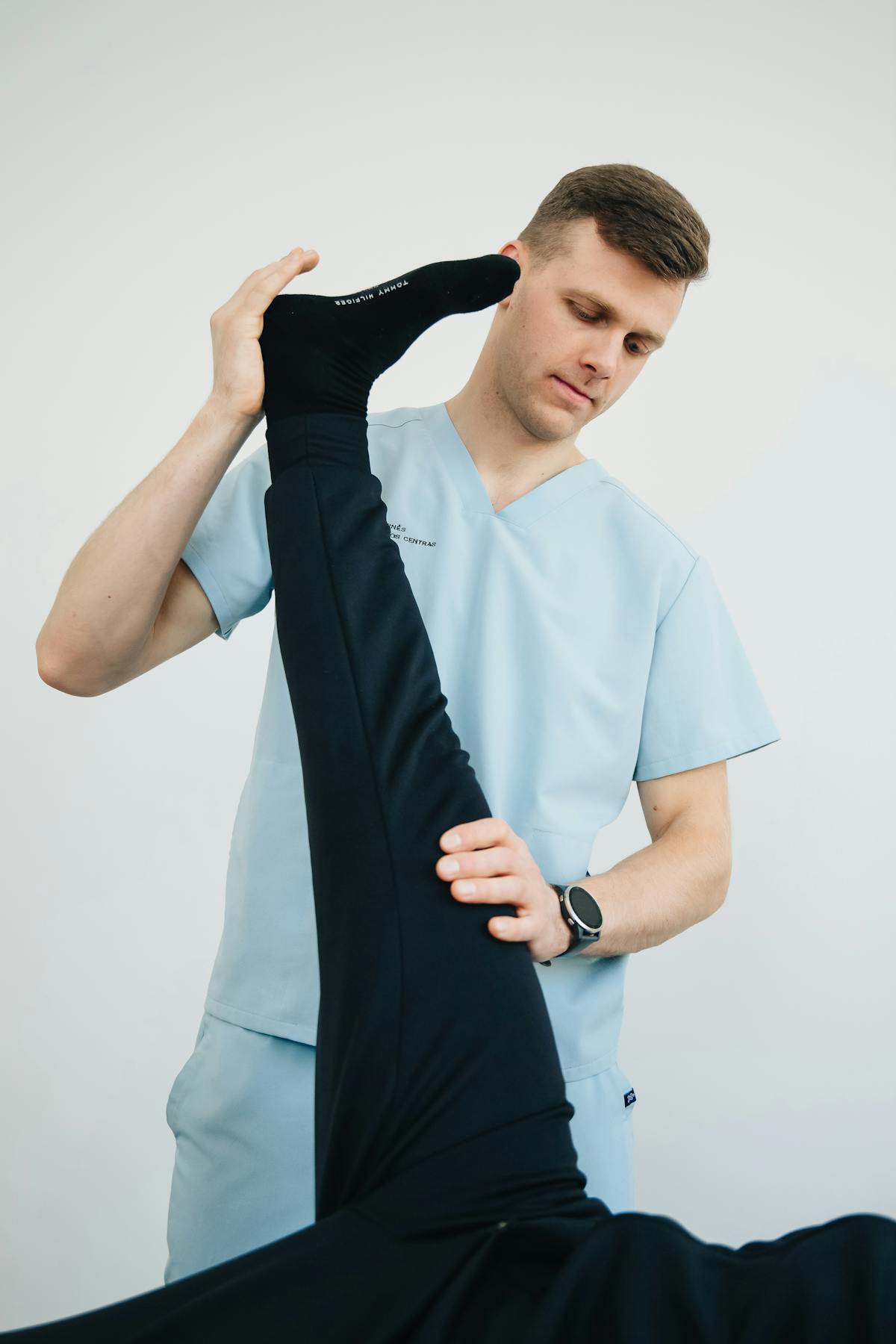
For anything beyond minor muscle soreness, consulting a physiotherapist is the single most effective step you can take. Australian physiotherapists are highly trained musculoskeletal specialists and are accessible without a GP referral in most cases.
Under Medicare, Australians with a chronic musculoskeletal condition may be eligible for a Chronic Disease Management (CDM) plan through their GP, which can provide rebates for up to five allied health visits per calendar year — including physiotherapy. Private health insurance (extras cover) typically provides rebates for physiotherapy regardless of referral. Check with your health fund for your specific benefit limits and any waiting periods that apply.
Finding a sports physiotherapist — rather than a general practice physio — is worthwhile for bodybuilding-specific injuries, as they have specialist knowledge of strength training mechanics and loading parameters.
Returning to Training After Injury
The return to training phase is where many bodybuilders undo the progress made during rehab by rushing back too soon. Tissue healing follows a biological timeline that cannot be significantly compressed — bone remodelling, tendon collagen synthesis, and muscle repair all take weeks to months depending on severity.
General principles for a safe return:
- Clear return-to-training criteria with your physiotherapist before resuming loaded exercise
- Start significantly below your pre-injury training load — 50–60% is a sensible starting point
- Rebuild volume before intensity (more sets at lower weight before adding load)
- Prioritise movement quality — don’t let compensatory patterns entrench themselves
- Expect a longer return timeline than feels necessary — and honour it
Tracking how your body responds after returning is just as important as tracking pre-injury performance. For a broader look at how monitoring your health markers supports long-term training decisions, see our guide on Blood Tests Every Bodybuilder Should Get: A Complete Health Guide.
Deload Weeks: Prevention Built Into Your Programme
A deload week — a planned period of reduced training volume and/or intensity — is one of the most underrated injury prevention bodybuilding tools available. Rather than waiting for the body to force rest via injury, a scheduled deload proactively allows connective tissue, joints, and the nervous system to recover from accumulated training stress.
Most experienced bodybuilders benefit from a deload every four to eight weeks of hard training. During a deload, reduce volume by 40–60% (fewer sets) and keep intensity moderate. Continue training — complete rest is rarely optimal — but treat these sessions as active restoration rather than performance sessions.
Deloads also provide a psychological reset. Bodybuilding is a long-term pursuit, and managing mental fatigue is as important as managing physical fatigue. The compound effect of consistent, sustainable training across years dwarfs the results of aggressive, injury-prone training cycles. For more on the recovery science that supports this approach, our article on Post-Workout Recovery: Science-Backed Strategies for Serious Athletes is essential reading.
Building a Home Environment That Supports Injury Prevention
For Australian bodybuilders who train at home — a growing cohort given the quality of equipment now available locally — the injury risk environment differs from a commercial gym but doesn’t disappear. Proper flooring, stable rack setups, and access to essential recovery tools matter. For guidance on equipping a safe and effective training space, see our guide on Best Home Gym Equipment for Australian Bodybuilders in 2026.
The Long Game: Training for Decades, Not Just Seasons
The bodybuilders who make the most impressive long-term progress are not always the strongest or the most genetically gifted. They are the ones who train intelligently enough to stay healthy and consistent across years and decades. Injury prevention in bodybuilding is not a limitation on your ambition — it is the framework that makes ambitious long-term goals achievable.
Respect your warm-up. Master your technique. Develop your mobility. Learn to read your body’s signals accurately. Access professional help early when something goes wrong. Deload before injury forces you to. These aren’t cautious habits — they’re the habits of serious, experienced athletes who understand that every session missed to injury is a session that cannot be recovered.
Train hard. Train smart. Stay in the gym.