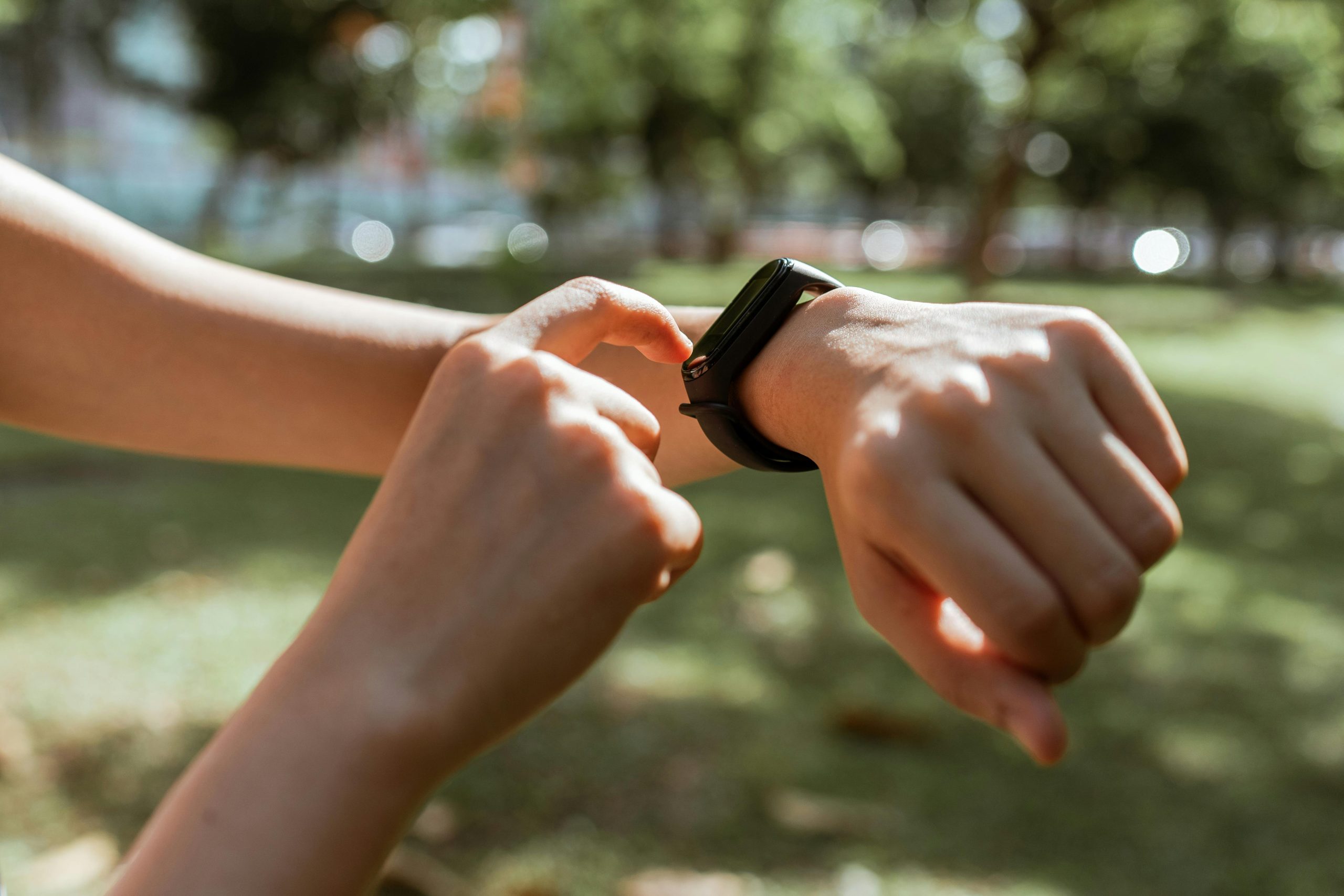
Top Fitness Gadgets and Wearables for Serious Athletes in 2026 The world of fitness gadgets and wearables in 2026 has never been more capable — or more cluttered with marketing hype. For Australian bodybuilders who take their training seriously, the right technology can sharpen your decisions about recovery, load management, and sleep. The wrong technology…
Top Fitness Gadgets and Wearables for Serious Athletes in 2026
The world of fitness gadgets and wearables in 2026 has never been more capable — or more cluttered with marketing hype. For Australian bodybuilders who take their training seriously, the right technology can sharpen your decisions about recovery, load management, and sleep. The wrong technology just drains your wallet and clutters your wrist with data you’ll never act on. This guide separates what’s genuinely useful from what’s noise, covers the standout devices available in Australia this year, and gives you a clear picture of what data actually moves the needle for serious athletes.
Smartwatches and Fitness Trackers: The Foundation of Your Wearable Stack
When it comes to fitness gadgets and wearables in 2026, smartwatches remain the most versatile single purchase a serious athlete can make. Three options dominate the conversation for bodybuilders and strength athletes.
Garmin Fenix 8 Series
Garmin continues to lead the field for athletes who want deep, actionable training data. The Fenix 8 Solar tracks training load, recovery time, body battery, and sleep stages with impressive accuracy. Its HRV Status feature — which monitors heart rate variability trends over weeks — is genuinely useful for bodybuilders managing accumulated fatigue across heavy training blocks. Australian RRP sits around AUD $1,099–$1,399 depending on the model, available through JB Hi-Fi, Rebel Sport, and directly from Garmin Australia.
What makes Garmin stand out for strength athletes is its strength training mode, which auto-detects exercises, counts reps, and logs rest periods. It’s not perfect, but it’s the most capable on-wrist logging tool currently available without pulling out your phone mid-session.
Apple Watch Series 11
The Apple Watch remains the best choice if you’re already deep in the iOS ecosystem and want seamless integration with training apps. Its crash detection, ECG, and blood oxygen monitoring are genuinely useful health tools, not just marketing features. For bodybuilders, pairing it with apps like Hevy or Strong transforms it into a capable session tracker. Australian pricing starts at around AUD $699 for the standard model through Apple AU and major retailers.
Where Apple Watch falls short for serious athletes is in advanced training load algorithms and HRV trending. It collects the data; it doesn’t always give you intelligent insights about what to do with it.
WHOOP 5.0
WHOOP takes a fundamentally different approach — it’s a screenless band focused entirely on recovery, strain, and sleep. The 5.0 model, released in late 2025, adds skin temperature sensing and improved HRV accuracy. The subscription model (AUD ~$39/month or ~$350/year) puts some Australians off, but for athletes who are serious about recovery management, the depth of WHOOP’s analytics is hard to match. Its daily Recovery Score — a composite of HRV, resting heart rate, and sleep performance — gives you a single number to act on each morning.
WHOOP suits athletes who are willing to trust the system and adjust training intensity based on objective data, rather than how they feel on a given day. It pairs well with the kind of recovery-focused approach we cover in depth in our article on Post-Workout Recovery: Science-Backed Strategies for Serious Athletes.
Smart Scales: Body Composition Beyond the Number on the Scale
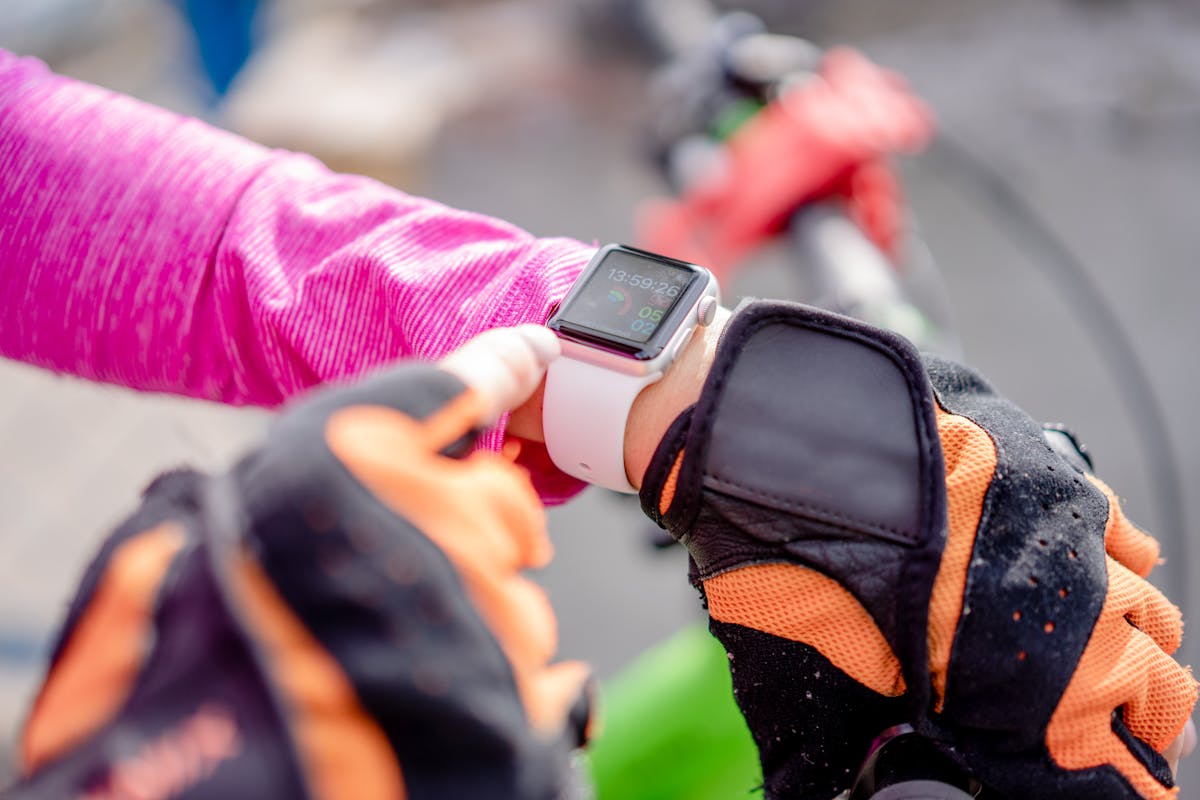
Standard bathroom scales tell you one number that conflates muscle, fat, water, and bone. Smart scales using bioelectrical impedance analysis (BIA) give you a more complete — if imperfect — picture of body composition over time.
The Withings Body Comp (AUD ~$299 from Withings AU and selected retailers) is the current benchmark in consumer smart scales. It measures weight, body fat percentage, muscle mass, visceral fat, bone density, and vascular age. The companion app tracks trends over months, which is where the real value lies — a single reading tells you little; a three-month trend tells you whether your bulk is going in the right direction.
The Garmin Index S2 (AUD ~$229) integrates natively with Garmin Connect, making it a natural companion if you’re already running a Garmin watch.
A word of honest caution: BIA measurements are sensitive to hydration status, meal timing, and skin temperature. Don’t obsess over daily fluctuations. Weigh yourself at the same time each day — ideally first thing in the morning — and focus on the weekly average trend.
Fitness Gadgets and Wearables 2026: Velocity-Based Training Devices
Velocity-based training (VBT) is arguably the most underused performance tool available to serious natural bodybuilders and strength athletes. VBT devices attach to the bar or your body and measure the speed of each rep in real time. This matters because bar speed is a proxy for intent and readiness — when your speed drops significantly, your nervous system is fatigued.
The PUSH Band 3.0 and the GymAware PowerTool are the two standout options. GymAware (AUD ~$700+) is the gold standard used in elite sporting programmes across Australia — many NRL and AFL conditioning teams rely on it. The PUSH Band offers a more affordable entry point at around AUD ~$300–$400 and pairs with a clean smartphone app.
For bodybuilders, VBT is most valuable during heavier compound work — squats, deadlifts, and bench press — where it tells you objectively whether to push for another set or call it there for the session. This is a meaningful upgrade over RPE (rate of perceived exertion) alone.
Heart Rate Monitors: Chest Straps Still Win
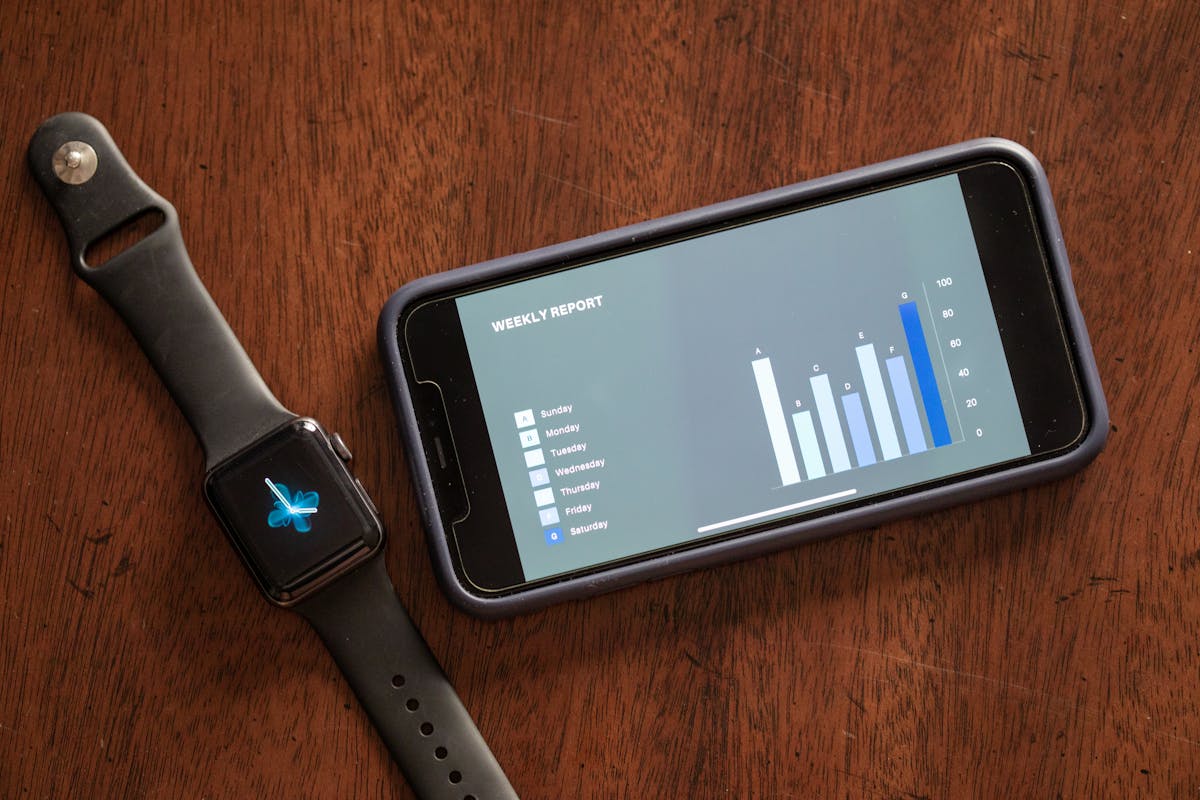
Wrist-based heart rate monitoring from smartwatches is convenient but less accurate during strength training, where wrist movement and skin compression create artefacts. For serious work, a dedicated chest strap remains the gold standard.
The Polar H10 (AUD ~$130) is the most widely validated chest strap on the market and the reference device used in most heart rate monitoring research. It stores a single session of data without a phone paired, connects via Bluetooth and ANT+, and integrates with virtually every training app available. There is no meaningful upgrade from the H10 for most athletes — it’s simply the benchmark.
Heart rate during strength training is less useful than HRV, but monitoring your heart rate during conditioning work, GPP sessions, and active recovery gives you a clear picture of cardiovascular load across your training week.
Sleep Trackers: The Most Overlooked Performance Tool
Every serious athlete understands that muscle growth happens during recovery, not during training — and sleep is the cornerstone of that recovery. Purpose-built sleep tracking technology in 2026 has matured considerably.
The Oura Ring 4 (AUD ~$549–$599 from Oura or Australian retailers) remains the most accurate consumer sleep tracker available. It measures sleep stages, HRV, resting heart rate, skin temperature, and respiratory rate with accuracy approaching clinical-grade devices. Its Readiness Score is a practical daily indicator of whether your body is ready to handle training stress.
If you’d rather not wear a separate ring, the WHOOP 5.0 mentioned earlier offers comparable sleep tracking in a wristband format. Both are meaningful investments for athletes who are serious about understanding and optimising their sleep.
We go deep on the science of sleep for bodybuilders — including how much, what stages matter most, and how to improve sleep quality in the Australian climate — in our full guide on Sleep Optimization for Bodybuilders: Maximize Your Gains at Night.
Training Apps That Actually Work for Bodybuilders
Hardware is only half the equation. The apps you use to programme, log, and analyse training determine how useful your devices become.
- Hevy — Clean, fast barbell-focused workout logger. Free tier is generous. Best in class for hypertrophy tracking with a simple interface and progress graphs.
- RepCount — Australian-friendly strength logging app with excellent volume and 1RM tracking over time.
- Garmin Connect — If you’re running a Garmin device, this is your central hub. The Training Readiness and HRV Status dashboards are genuinely useful for block periodisation.
- WHOOP app — Best-in-class recovery and strain analytics if you’re a WHOOP subscriber.
- Cronometer — More precise than MyFitnessPal for micronutrient tracking. Useful if you care about the quality of your diet beyond just macros.
Massage Guns and Recovery Tech
Percussive therapy devices have earned their place in serious athletes’ recovery toolkits. The Theragun PRO Gen 6 (AUD ~$699) and Hypervolt 2 Pro (AUD ~$499) are the current premium options, available through Rebel Sport, JB Hi-Fi, and their respective Australian distributor websites. Both deliver effective percussive stimulation for breaking up muscular tension and accelerating pre-session warm-up and post-session recovery.
For most athletes, the mid-tier options — like the Theragun Relief (AUD ~$249) or the Ekrin B37 (AUD ~$300) — deliver 90% of the benefit at half the price. The variable speed, amplitude, and stall force of premium models matter for clinical use; for athletic self-massage, a mid-tier device is sufficient.
Compression boots — such as the Normatec 3 (AUD ~$1,299) — are genuinely effective for lower limb recovery, particularly after heavy leg sessions or conditioning work. They’re a significant investment, but athletes training at high volumes who are serious about recovery find them worthwhile. Consider sharing the cost with a training partner if you train together regularly.
AI Coaching Apps: What They Can and Can’t Do
AI-driven coaching platforms represent one of the most hyped categories in fitness technology right now. Apps like Caliber, Future, and the AI features built into platforms like Whoop Coach and Garmin’s Suggested Workouts can personalise training recommendations based on your data. Some of this is genuinely useful — particularly adaptive training load recommendations that respond to recovery data.
What AI coaching cannot currently replace is the contextual judgement of an experienced human coach who knows your movement patterns, injury history, and competitive goals. Use AI features as a data-informed starting point, not as your entire programme. For athletes serious enough to consider this level of technology investment, a good coach is still worth more than any app.
Smart Home Gym Equipment
The connected home gym equipment market has matured significantly by 2026. If you’re investing in your home training setup, technology-integrated equipment is worth considering — particularly if you train alone and would benefit from real-time feedback.
The Tonal smart home gym (AUD ~$5,995 installed) uses electromagnetic resistance and AI spotting to provide adaptive resistance and form feedback. It’s a significant investment, but for athletes who prefer home training and want a genuine strength training tool rather than a novelty, it’s one of the most capable connected gym systems available.
More practically, smart cable attachments and load cells that convert standard equipment into velocity-tracking devices are becoming more affordable. For a complete overview of building a high-performance home training environment, see our guide on Best Home Gym Equipment for Australian Bodybuilders in 2026.
What Data Actually Matters — And What’s Marketing Fluff
With so many metrics available across these devices, it’s worth being direct about what data is worth your attention.
Data that genuinely informs training decisions
- HRV trends over 7–14 days — the most reliable objective indicator of recovery status and accumulated fatigue
- Sleep duration and quality trends — directly linked to performance, muscle protein synthesis, and injury risk
- Training volume and progressive overload tracking — essential for ensuring you’re actually progressing over time
- Bar velocity during heavy compound lifts — tells you whether your nervous system is ready for maximum effort
- Body composition trend over weeks — not daily readings, but monthly direction of travel during bulk and cut phases
Data that’s mostly marketing
- Blood oxygen (SpO2) during normal training — useful at altitude or for detecting sleep apnea; irrelevant for standard bodybuilding
- Exact calorie burn estimates — wearable devices are consistently inaccurate by 20–40% for strength training. Use them for trend comparison, not absolute numbers.
- Stress scores and body battery in isolation — directionally useful, but don’t override common sense and how you actually feel
- VO2 max estimates from wrist devices — reasonably accurate for endurance athletes; less reliable for strength-dominant training profiles
Building Your Tech Stack on a Budget
You don’t need every device on this list. A practical tiered approach for Australian athletes:
Entry level (AUD ~$200–$400 total): A mid-range fitness tracker like the Garmin Forerunner 265 (AUD ~$599) or Fitbit Sense 3 (AUD ~$299), paired with a free training app like Hevy. Focus on sleep tracking and consistent workout logging above all else.
Intermediate (AUD ~$800–$1,200 total): Garmin Fenix 8 or WHOOP 5.0 subscription, Polar H10 chest strap, a smart scale like the Withings Body Comp, and a quality training app. This gives you comprehensive data across training, recovery, and body composition.
Advanced (AUD ~$2,000+): Add an Oura Ring 4 for sleep, a VBT device like the PUSH Band for compound lifts, and a quality percussion massage device. At this level you’re building a comprehensive picture of every major training and recovery variable.
Technology supports good training — it doesn’t replace it. The bodybuilders who get the most from these tools are those who combine consistent, intelligent training with genuine recovery discipline. For a broader look at how technology, training, and the Australian lifestyle fit together, read our article on The Bodybuilding Lifestyle in Australia: Training, Work, and Life Balance.
Invest in the tools that will change your behaviour, not just the ones that deliver interesting numbers to look at. That distinction separates technology that makes you better from technology that just looks good in your gym bag.