Longevity and Performance: How to Train Hard and Stay Healthy for Life For most bodybuilders, the early years are defined by a single question: how much can I gain? But the athletes who truly stand the test of time ask a different question entirely — how do I keep doing this for life? Longevity bodybuilding…
Longevity and Performance: How to Train Hard and Stay Healthy for Life
For most bodybuilders, the early years are defined by a single question: how much can I gain? But the athletes who truly stand the test of time ask a different question entirely — how do I keep doing this for life? Longevity bodybuilding health is not a compromise between results and sustainability; it is the highest form of the sport. This guide breaks down exactly how elite athletes do it — and how Australian bodybuilders can build a framework that delivers performance at every age.
Why Longevity Bodybuilding Health Starts with a Mindset Shift
The most common mistake in strength training is treating the body like a machine to be exploited rather than a system to be developed. Elite bodybuilders who train productively into their 40s and 50s share a common trait: they learned to view each training session not as an event, but as one instalment in a decades-long investment. The goal is not to be impressive today at the cost of tomorrow. The goal is to be strong, capable, and healthy for life.
Balancing Intensity with Sustainability: The Core Principle

Periodisation: The Non-Negotiable Framework
A practical periodisation model for the serious bodybuilder:
- Accumulation phase (4–6 weeks): Higher volume, moderate intensity. Building work capacity and muscle mass.
- Intensification phase (3–4 weeks): Lower volume, higher intensity. Strength focus, neural adaptation.
- Realisation / Peak phase (1–2 weeks): Low volume, peak expression of strength or conditioning.
- Deload phase (1 week): Dramatically reduced volume and intensity. Active recovery and systemic restoration.
Joint Health: The Long-Term Athlete’s Priority
Muscle responds to training stimulus within weeks. Connective tissue — tendons, ligaments, cartilage — adapts over months and years. Protecting joint health over a lifetime of training requires:
- Warm-up properly. Spend 10–15 minutes elevating core temperature and mobilising key joints before working sets.
- Prioritise technique over load. A technically sound repetition with a slightly lighter weight does more good than a sloppy maximum-effort lift.
- Include targeted accessory work. Rotator cuff exercises, hip abductor work, and posterior chain development create structural balance.
- Monitor pain signals early. Discomfort during training is normal. Sharp, localised, or persistent pain demands attention.
For a deeper look at keeping your body in the gym, read our guide on Injury Prevention and Rehab: Keeping Australian Bodybuilders in the Gym.
Cardiovascular Health for Bodybuilders: More Than an Afterthought
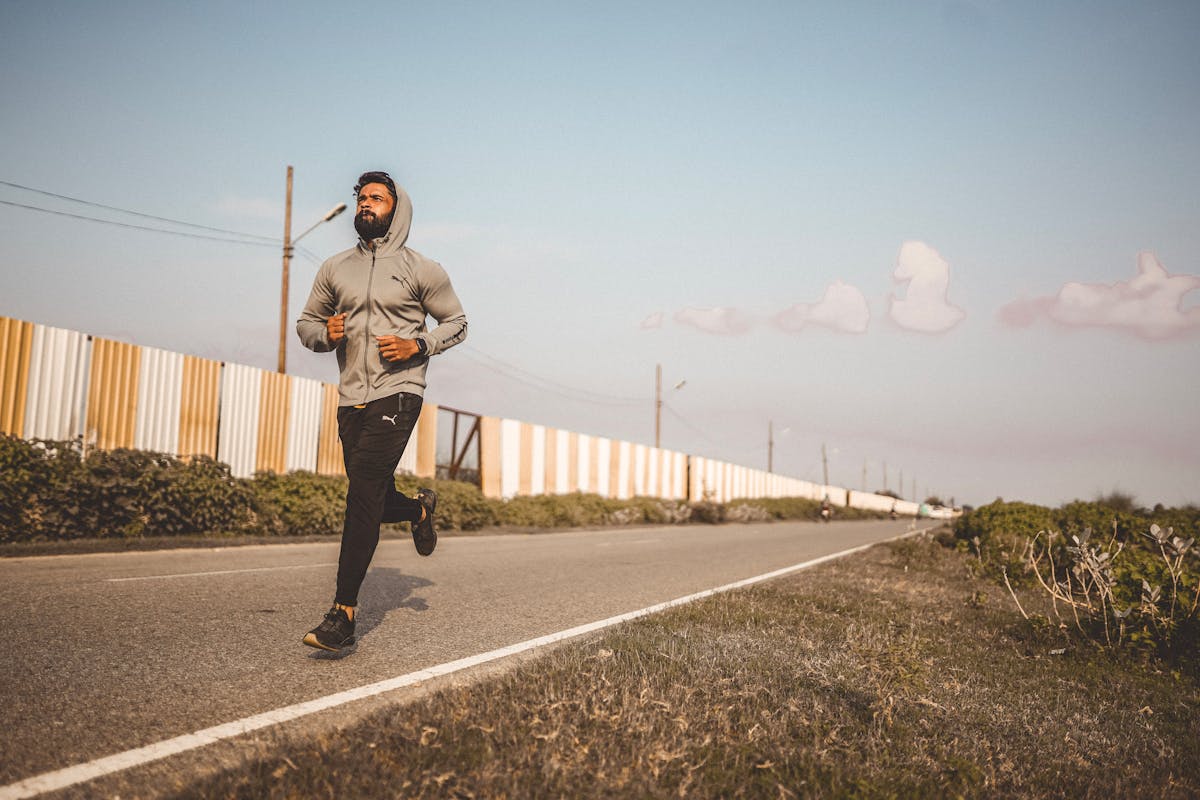
Moderate-intensity steady-state cardio performed 2–3 times per week for 20–40 minutes provides significant cardiovascular benefit without meaningfully interfering with hypertrophy. Zone 2 training — working at a pace where you can hold a conversation — is particularly valuable for building mitochondrial density and aerobic base.
How Elite Athletes Train Into Their 40s and 50s
Common adaptations seen in experienced athletes include:
- Replacing exercises that cause joint discomfort with biomechanically equivalent alternatives
- Reducing maximum loads on high-risk exercises while maintaining volume through moderate-intensity work
- Extending warm-up protocols and incorporating more mobility work
- Accepting and planning for longer recovery windows between intensive sessions
- Focusing on movement quality and muscle-mind connection rather than absolute numbers
Longevity Bodybuilding Health Through Lifestyle Factors
Nutrition: Building From the Inside Out
A diet built on whole, minimally processed foods — adequate protein, abundant vegetables, quality carbohydrates, and healthy fats — supports both performance and long-term health outcomes. For a comprehensive approach to fuelling your training, see our Ultimate Bodybuilder’s Nutrition Guide for Australia.
Sleep: The Most Underrated Performance Tool
Athletes who consistently achieve 7–9 hours of quality sleep per night outperform those who do not across virtually every measured metric. Read more in our article on Sleep Optimization for Bodybuilders: Maximize Your Gains at Night.
Stress Management: The Invisible Load
Psychological stress and physical training stress draw from the same recovery reserve. Recognising this interaction — and adjusting training load accordingly during high-stress periods — prevents the accumulation of overtraining that sidelines so many dedicated athletes.
The Australian Advantage: Lifestyle Factors That Support Longevity
Australian bodybuilders operate within a lifestyle context that offers genuine advantages for long-term health and performance. The climate in most of the country supports year-round outdoor physical activity — walking, swimming, cycling, and beach training that complement gym work and contribute to cardiovascular fitness and mental wellbeing simultaneously.
Preventive Health: Monitoring What You Cannot See
Regular blood testing gives the long-term athlete objective data on what is happening internally, enabling early intervention before sub-clinical issues become clinical problems. For a detailed breakdown of what to test and how to interpret results, see our guide on Blood Tests Every Bodybuilder Should Get: A Complete Health Guide.
The Long Game: Performance as a Lifetime Practice
Longevity bodybuilding health is not about choosing between performance and sustainability. It is the understanding that true performance — the ability to be strong, capable, and vital across decades — is only achievable through sustainability. Deload when the programme demands it. Address joint discomfort before it becomes injury. Sleep with the same commitment you bring to your heaviest training sessions. Eat with long-term function in mind. Get your blood work done. Use every advantage the Australian lifestyle offers.