
Post-Workout Recovery: Science-Backed Strategies for Serious Athletes For Australian bodybuilders chasing real, lasting gains, workout recovery for bodybuilders is not an afterthought — it is where growth actually happens. You can train with brutal intensity six days a week, but if your recovery is poor, you are simply accumulating fatigue rather than building muscle. The…
Post-Workout Recovery: Science-Backed Strategies for Serious Athletes
For Australian bodybuilders chasing real, lasting gains, workout recovery for bodybuilders is not an afterthought — it is where growth actually happens. You can train with brutal intensity six days a week, but if your recovery is poor, you are simply accumulating fatigue rather than building muscle. The science is unambiguous: adaptation occurs during rest, not during the session itself. This guide breaks down every evidence-based recovery tool available to you, from nutrition timing and sleep architecture to contrast therapy in the surf and strategic deload weeks.
Why Workout Recovery Matters for Bodybuilders
During resistance training, muscle fibres sustain micro-tears, glycogen stores are depleted, and the central nervous system (CNS) accumulates significant fatigue. The 24–72 hours that follow are the window in which the body repairs damaged tissue, synthesises new contractile proteins, and supercompensates — emerging stronger and more resilient than before.
Post-Workout Nutrition: The Foundation of Workout Recovery for Bodybuilders
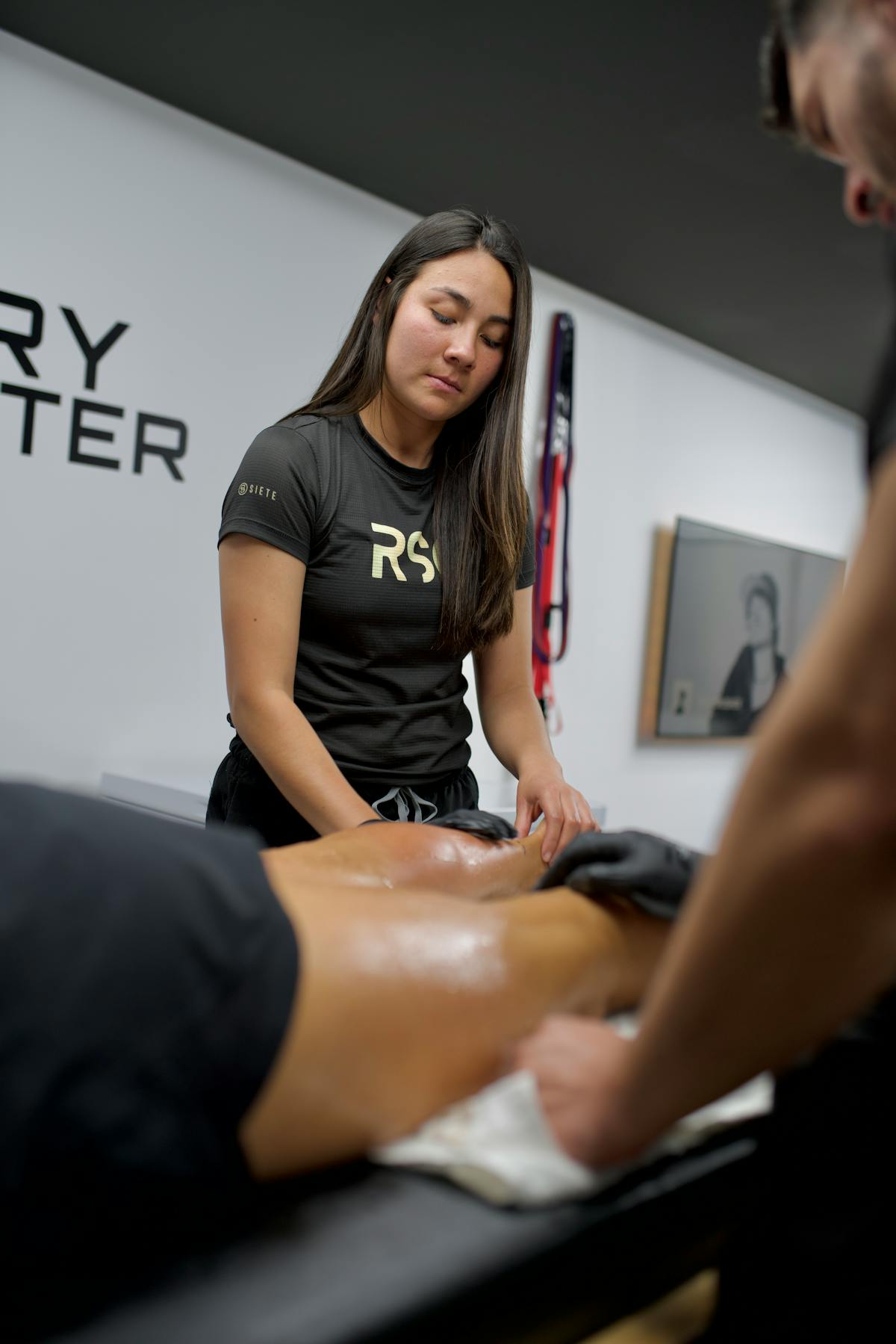
Protein Timing and Dosing
Aim to consume 0.4–0.5 g of high-quality protein per kilogram of bodyweight within two hours of finishing your session. For an 85 kg bodybuilder, that equates to roughly 34–43 g — achievable through chicken breast, Greek yoghurt, eggs, cottage cheese, or a quality whey isolate shake.
Carbohydrate Replenishment
Pair your post-workout protein with 0.8–1.2 g of carbohydrate per kilogram of bodyweight. Faster-digesting sources — white rice, potato, fruit — are preferable in the immediate post-workout window.
For a deeper dive into macronutrient strategy across the full day, see our comprehensive resource: The Ultimate Bodybuilder’s Nutrition Guide for Australia.
Sleep: The Most Powerful Recovery Tool Available
No supplement, no ice bath, and no massage gun comes close to matching the anabolic and restorative power of high-quality sleep. During slow-wave (deep) sleep, the pituitary gland releases the majority of daily growth hormone, tissue repair accelerates, and inflammatory cytokines generated during training are downregulated.
Australian bodybuilders should target 7–9 hours of consolidated sleep per night. Because sleep optimisation is so nuanced and consequential, we have dedicated a full guide to the topic: Sleep Optimization for Bodybuilders: Maximize Your Gains at Night.
Active Recovery vs. Passive Rest
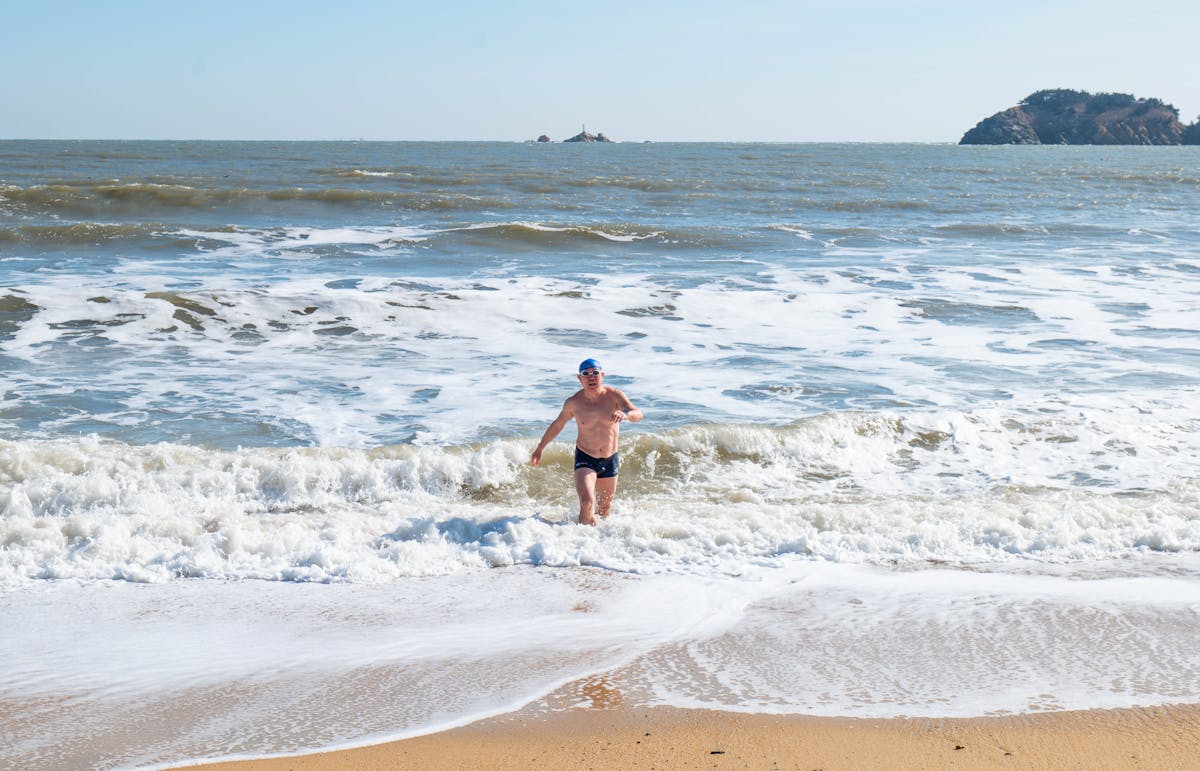
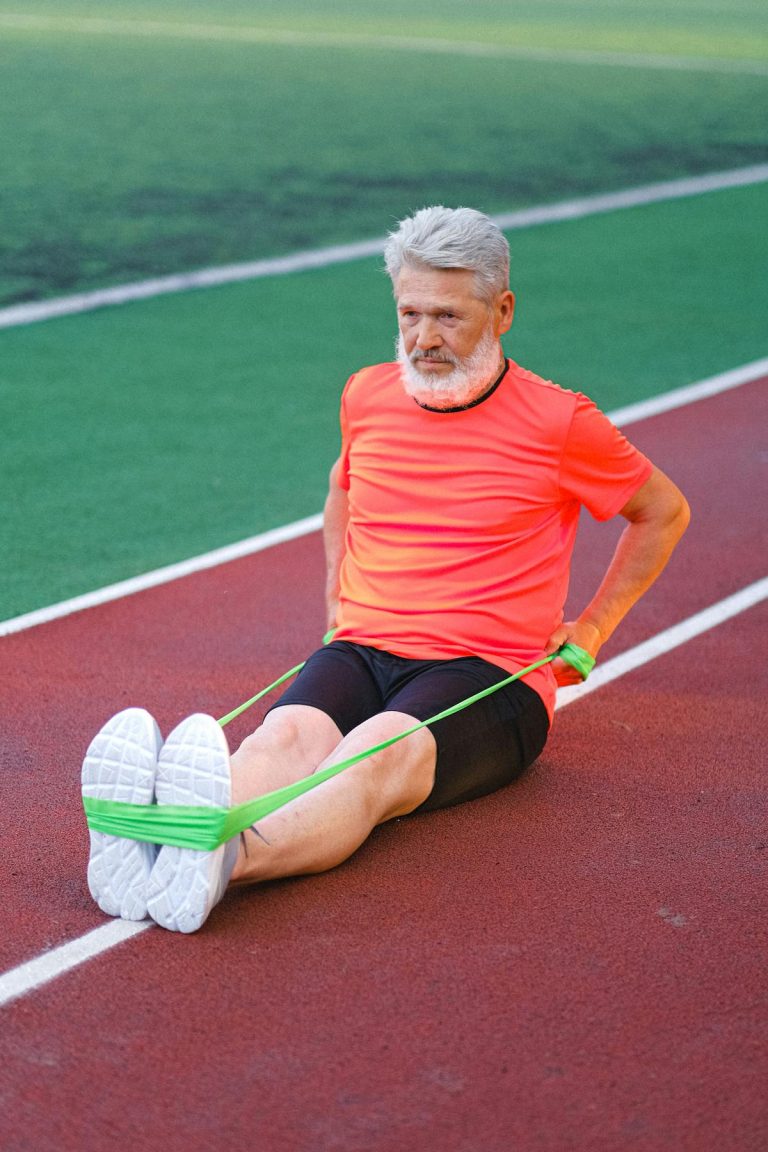
Effective active recovery modalities include:
- Low-intensity aerobic work: 20–30 minutes of walking, cycling, or easy swimming at under 60% of maximum heart rate
- Yoga or light stretching: Targets accumulated tightness and maintains range of motion
- Recreational sport: Basketball, beach volleyball, or a casual surf session
Contrast Therapy: Cold, Heat, and the Australian Advantage
Contrast water therapy — alternating between cold and warm water — has a well-established evidence base for reducing DOMS, attenuating inflammatory markers, and accelerating perceived recovery in strength athletes.
Ocean Swimming: Australia’s Recovery Secret Weapon
Australian bodybuilders have a built-in recovery asset: access to cold ocean water year-round in many coastal areas. Ocean swimming or cold-water immersion for 10–15 minutes post-training — particularly after leg days or high-volume upper body sessions — delivers meaningful reductions in muscle soreness and systemic inflammation.
Sauna and Heat Therapy
Heat exposure via sauna (15–20 minutes at 80–90°C) stimulates heat shock protein production and has been linked in emerging research to growth hormone elevation.
Foam Rolling and Mobility Work
5–10 minutes of targeted foam rolling on the muscle groups trained is a practical and time-efficient addition to any cool-down or active recovery session. Prioritise hip flexor stretching, thoracic extension, and ankle dorsiflexion work.
Hydration in the Australian Heat
General hydration guidelines for Australian bodybuilders:
- Pre-training: Arrive hydrated. Pale yellow urine is your benchmark.
- During training: 500–750 mL of water or an electrolyte drink per hour
- Post-training rehydration: Consume 1.25–1.5 litres of fluid for every kilogram of bodyweight lost
- Electrolyte replacement: Sodium is the primary electrolyte lost in sweat
Deload Weeks: Planned Recovery for Long-Term Progress
A deload is a structured period of reduced training volume and/or intensity — typically one week in every four to eight. A practical deload week for a bodybuilder might involve:
- Reducing training volume by 40–50% (fewer sets per session)
- Maintaining intensity at 60–70% of normal working weights
- Keeping session frequency the same to preserve neural patterns
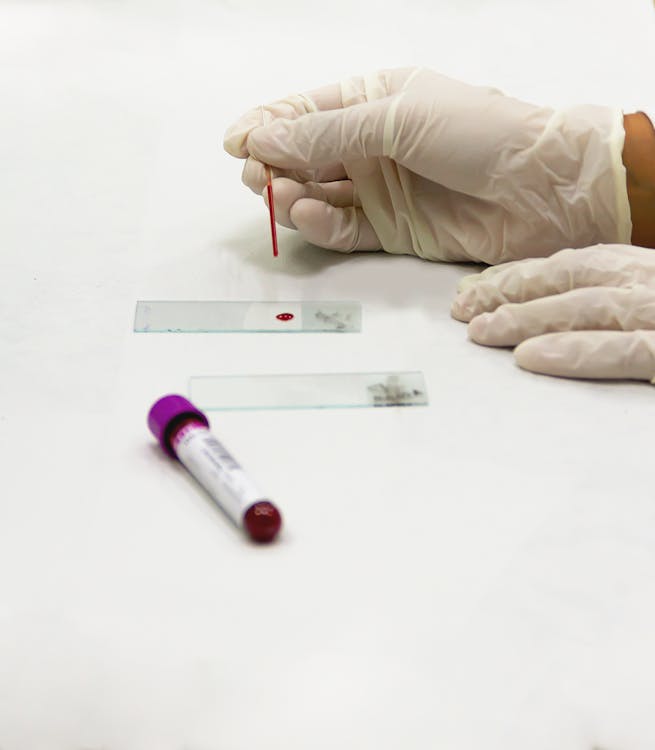
Deloads are also an ideal time to complete health monitoring. Our guide on Blood Tests Every Bodybuilder Should Get: A Complete Health Guide outlines exactly which markers to track.
Recognising the Signs of Overtraining
Key warning signs of overtraining include:
- Persistent strength or performance decline over 2–3 weeks
- Chronic elevated resting heart rate
- Disrupted sleep
- Mood disturbances: irritability, apathy, or loss of motivation
- Recurring minor illnesses
- Persistent joint or tendon pain
Putting It All Together: Your Recovery Blueprint
- Nutrition: Hit your post-workout protein and carbohydrate targets within two hours of every session.
- Sleep: Protect 7–9 hours of quality sleep.
- Hydration: Account for Australia’s heat and rehydrate with electrolytes post-training.
- Active recovery: Choose purposeful movement on rest days.
- Contrast therapy: Use Australia’s beaches and cold water as the recovery tool they are.
- Mobility: Spend 5–10 minutes on SMR and stretching after every session.
- Deloads: Programme them proactively, not reactively.
For a complete picture of how to structure your training for maximum muscle gain, pair this recovery framework with our guide on How to Build Muscle: A Science-Based Guide for Australian Bodybuilders.