High-Protein Meal Prep for Australian Bodybuilders Ask any serious lifter what separates the physiques that keep progressing from the ones that stall out, and the answer almost always comes back to food. Specifically, having the right food ready when you need it. Meal prep for bodybuilders in Australia isn’t just a trendy hashtag — it’s…
High-Protein Meal Prep for Australian Bodybuilders
Ask any serious lifter what separates the physiques that keep progressing from the ones that stall out, and the answer almost always comes back to food. Specifically, having the right food ready when you need it. Meal prep for bodybuilders in Australia isn’t just a trendy hashtag — it’s a genuine competitive advantage. When your chicken is already cooked, your rice is portioned, and your containers are stacked in the fridge, you eliminate the single biggest threat to a clean diet: decision fatigue. This guide gives you everything you need to build a weekly meal prep system that actually holds up against real Australian life — hot summers, long work days, and Woolworths runs on a Saturday morning.
Why Meal Prep Matters for Bodybuilders
Bodybuilding nutrition is a numbers game. You need a specific amount of protein every day, you need to hit a calorie target that supports your current goal (surplus for building, deficit for cutting), and you need to do this consistently over months and years. That’s incredibly hard to do on the fly. Convenience is the enemy of consistency when you haven’t prepared — a drive-through, a skipped meal, or a vending machine protein bar all chip away at the precision your body needs to keep adapting.
Meal prepping solves the consistency problem by removing the daily decision from the equation. You make the smart choices once — on Sunday afternoon — and then the week essentially runs on autopilot. The mental energy you save is real, and the impact on your diet adherence is significant. For a full framework on bodybuilding nutrition principles, see our detailed resource on The Ultimate Bodybuilder’s Nutrition Guide for Australia.
The Time and Cost Case
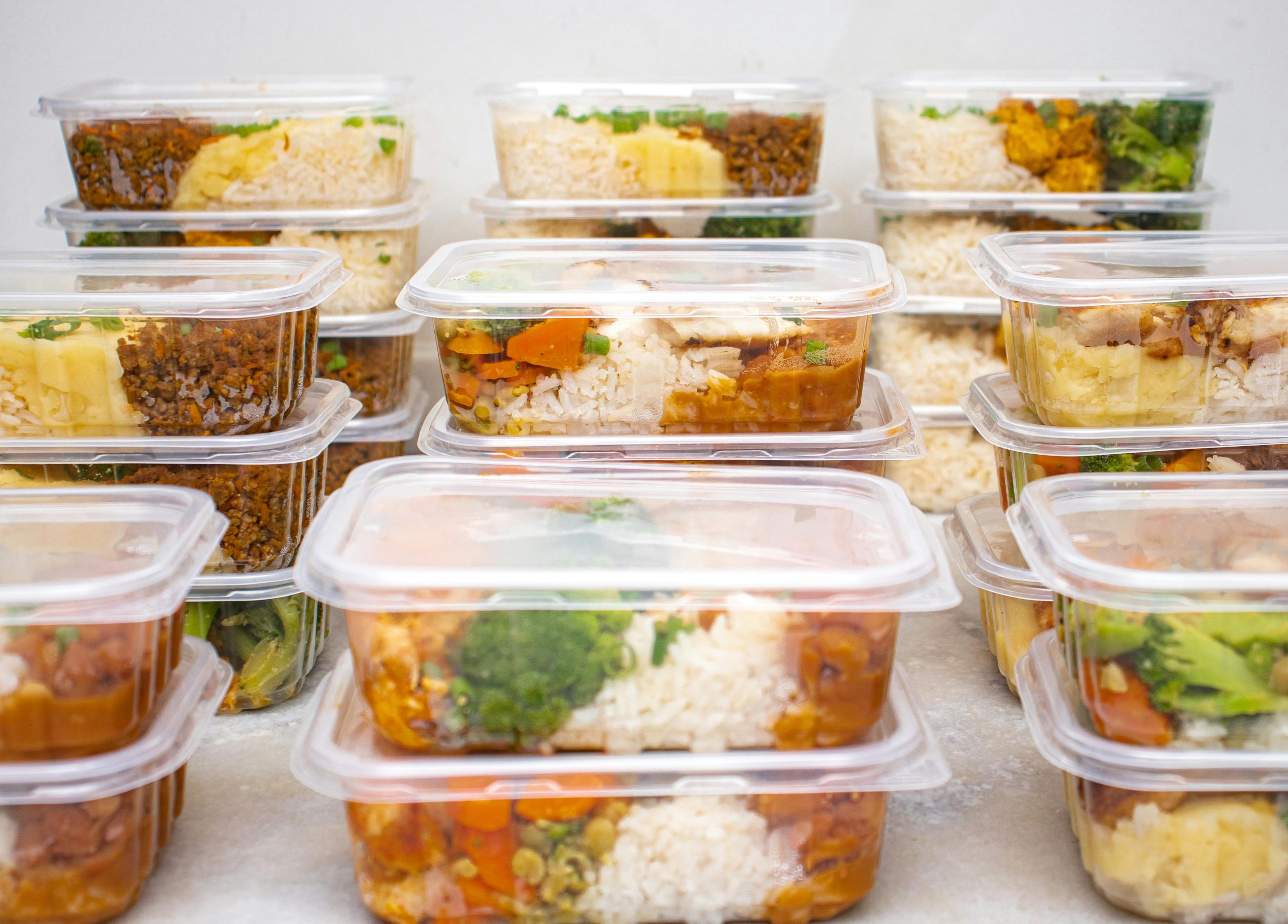
Beyond adherence, meal prep saves time and money. Buying chicken breast in a 2 kg bag from Coles costs significantly less per gram of protein than buying individual serves. Cooking eight meals in one session takes far less total time than cooking eight separate meals across the week. Once you’ve built the habit, a full week of food can be prepped in around two to three hours — one focused session that pays off every single day.
Planning a Week of Meals: Meal Prep Bodybuilder Australia Style
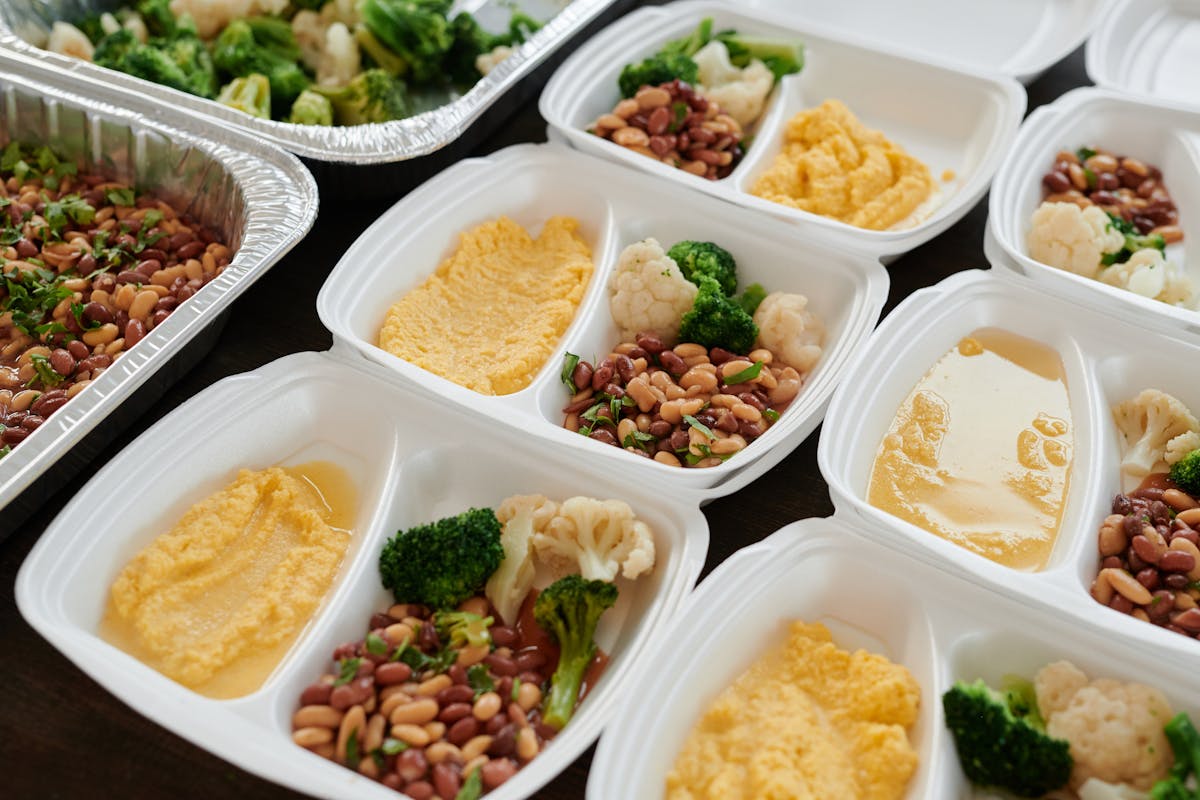
Effective meal prep starts with a plan, not a shopping list. Before you buy anything, map out your week. How many meals do you need per day? How many of those can be prepped in advance versus eaten fresh? What are your macro targets?
A typical bodybuilder eating five meals a day over six days (leaving one day for flexibility) needs 30 meal portions. That sounds intimidating until you realise that most serious preppers rotate just four to five different meals across the week — variety comes from swapping sauces and seasonings, not cooking 30 unique dishes.
A Simple Weekly Meal Structure
- Meal 1 (Breakfast): Eggs or overnight oats with protein — usually fresh, takes 10 minutes
- Meal 2 (Mid-morning): Prepped meal — chicken, rice, and vegetables
- Meal 3 (Lunch): Prepped meal — mince or tuna with potato and greens
- Meal 4 (Post-workout): Prepped meal or protein shake with fruit
- Meal 5 (Dinner): Fresh or prepped — salmon, pasta, or beef stir-fry
By prepping Meals 2, 3, and 4 in bulk, you cover the highest-risk part of the day — the hours when you’re at work, busy, or post-gym and ravenous. Dinner can be fresher and more varied without derailing the week.
Batch Cooking Tips That Save Time and Keep Quality High
Batch cooking is the core skill of effective meal prep. The goal is to cook large quantities of your protein, carbohydrate, and vegetable bases simultaneously, then combine them into portioned meals. Here’s how to do it efficiently.
Cook Multiple Proteins at Once
Use your oven to its full capacity. Spread chicken thighs on one tray, beef mince in a baking dish, and salmon fillets on another. All three can roast at 180–200°C simultaneously with minimal intervention. While they’re in the oven, cook your grains on the stovetop — rice in one pot, lentils or pasta in another. You’re looking at around 45 minutes of active cooking to produce proteins and carbs for the entire week.
The Assembly Line Method
Once everything is cooked and slightly cooled, line up your containers and fill them assembly-line style — one protein across all containers, then one carb, then vegetables, then any sauces. This is faster than filling one container at a time and makes it easy to keep portions consistent.
Season for Variety
Plain chicken breast gets old fast. Keep a rotation of seasonings and sauces that add flavour without adding unnecessary sugar or sodium: smoked paprika and garlic, lemon and herb, teriyaki marinade (low sodium), harissa, or a simple soy and ginger mix. The underlying meal is the same; the flavour profile changes. This stops prep from feeling like a punishment.
Best Containers for Australian Meal Preppers
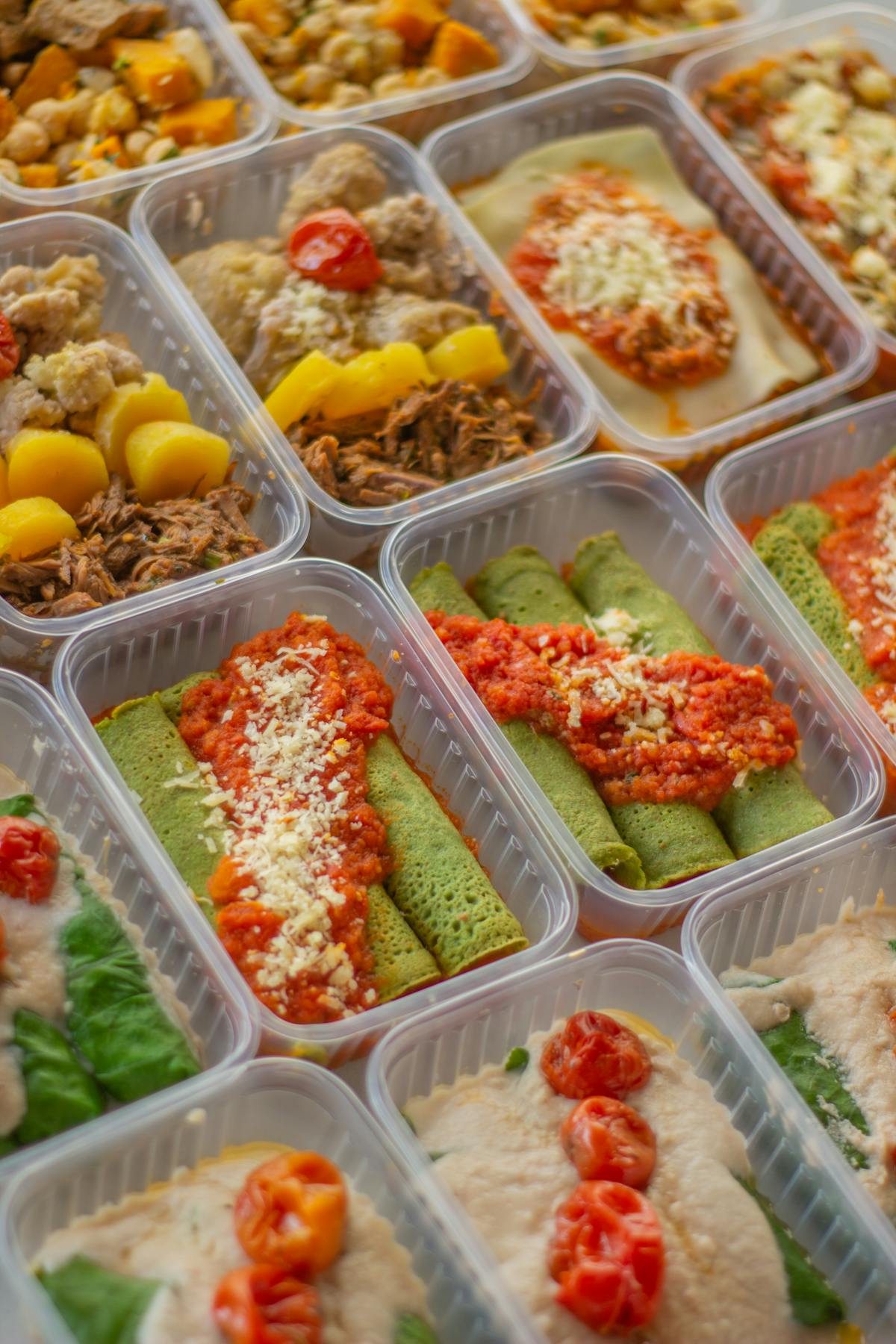
Container quality matters more than most people realise. Flimsy containers warp in the microwave, leak in your gym bag, and make the whole system feel less professional than it should. Invest once and it pays off for years.
Glass containers (Pyrex or similar): The gold standard. Microwave-safe, dishwasher-safe, don’t absorb odours, and last indefinitely. Heavier to carry but ideal for meals kept at home or at the office.
BPA-free plastic containers (Sistema or Lock & Lock): Lighter, more portable, and widely available at Woolworths, Coles, and Kmart. Look for containers with a secure locking lid — essential if they’re going in a gym bag. Replace them annually or when you notice discolouration or warping.
Compartmentalised containers: Useful for keeping components separate until eating — handy if you prefer to add sauces fresh or keep vegetables crisp. Available on Amazon AU and in most kitchen sections at Target.
For a full week of prepping five meals per day, you’ll want around 15–20 containers in a consistent size. Standardising your container size also makes macro portioning far more reliable.
Food Safety in Australian Heat: Non-Negotiable Rules
Australia’s climate creates food safety challenges that bodybuilders in cooler climates simply don’t face. A meal left in a hot car or an underpowered bag cooler can reach the bacterial danger zone (between 5°C and 60°C) within minutes in a Queensland or Western Australian summer. Getting this wrong doesn’t just ruin a meal — it can put you out of the gym for days.
The Core Food Safety Rules
- Cool food quickly: After cooking, spread food in shallow containers and allow it to cool to room temperature within two hours before refrigerating. Never put large hot volumes directly into the fridge — it raises the internal temperature of the whole fridge.
- Refrigerate promptly: Prepped meals are safe in the fridge for three to four days maximum. Anything beyond that should be frozen on prep day.
- Transport with ice packs: If you’re carrying meals to work or the gym, use an insulated bag with a quality ice pack. In Australian summer conditions, this is not optional.
- Reheat to 75°C: When reheating, food should reach at least 75°C throughout — not just warm on the outside. A cheap food thermometer is a worthwhile investment.
- When in doubt, throw it out: If a meal smells off, looks discoloured, or has been unrefrigerated for more than two hours in warm conditions, discard it. The protein isn’t worth a gastrointestinal illness.
Example High-Protein Meals With Approximate Macros
The following meals are designed to be practical, affordable at Woolworths or Coles, and batch-cookable. Macros are approximate and will vary based on exact portion sizes and preparation methods.
Meal 1: Classic Chicken, Rice & Broccoli
Ingredients per serve: 200g chicken breast, 180g cooked jasmine rice, 150g steamed broccoli, 1 tsp olive oil, seasoning.
Approximate macros: 480 kcal | 52g protein | 48g carbs | 8g fat
Notes: The foundation of any prep rotation. Season differently each batch to maintain variety.
Meal 2: Beef Mince & Sweet Potato Bowl
Ingredients per serve: 200g lean beef mince (5% fat), 200g roasted sweet potato, 100g baby spinach, 1 tbsp tomato paste, garlic, and cumin.
Approximate macros: 490 kcal | 45g protein | 40g carbs | 12g fat
Notes: Economical and iron-rich. Sweet potato holds texture well after refrigeration.
Meal 3: Tuna, Pasta & Peas
Ingredients per serve: 185g canned tuna in springwater (drained), 180g cooked wholemeal pasta, 80g frozen peas (thawed), 1 tbsp Greek yoghurt, lemon juice, dill.
Approximate macros: 460 kcal | 48g protein | 50g carbs | 6g fat
Notes: No cooking required for the tuna — fast to assemble. Canned tuna from Coles or Woolworths is one of the cheapest protein sources per gram available in Australia.
Meal 4: Salmon & Potato with Green Beans
Ingredients per serve: 180g Atlantic salmon fillet, 200g baby potatoes (halved and roasted), 150g green beans, lemon and herb seasoning.
Approximate macros: 520 kcal | 44g protein | 32g carbs | 20g fat
Notes: Higher in healthy fats from the salmon. Excellent omega-3 source for joint health and inflammation management — important for heavy trainers.
Meal 5: Turkey and Quinoa Stir-Fry
Ingredients per serve: 200g turkey mince, 160g cooked quinoa, 100g mixed stir-fry vegetables, 1 tbsp low-sodium soy sauce, ginger, garlic.
Approximate macros: 470 kcal | 50g protein | 38g carbs | 9g fat
Notes: Turkey mince is increasingly available at major supermarkets and is leaner than beef mince while being rich in protein and tryptophan — which supports sleep quality.
Shopping Smart at Woolworths and Coles
Australian supermarkets make bulk buying straightforward — if you know where to look and what to prioritise.
Protein Sources to Buy in Bulk
- Chicken breast/thighs: Buy the 2 kg family packs — consistently cheaper per kilogram than individual portions. Both Woolworths and Coles mark these down on weekends.
- Lean beef mince: The 500g or 1 kg trays of 4–5% fat mince offer good macros. Check the Everyday Rewards or Flybuys specials apps before shopping.
- Canned tuna: John West and Sirena are reliable brands available in multi-packs. Springwater is preferable to brine for controlling sodium.
- Eggs: A dozen free-range eggs is one of the best-value protein purchases in any Australian supermarket.
- Greek yoghurt: The Chobani 1 kg tub or Woolworths Macro brand offer high protein per dollar.
Carbohydrate and Vegetable Staples
- Rice: Buy the 5 kg bag. Jasmine, basmati, or medium grain all work. At Coles or Woolworths, the home-brand 5 kg bags are significantly cheaper than branded options with identical nutritional profiles.
- Oats: Another bulk buy worth making. Rolled oats from home brands are as nutritious as premium brands at a fraction of the cost.
- Frozen vegetables: Broccoli, edamame, peas, and stir-fry mixes from the freezer section are picked and frozen at peak nutrition. Often cheaper than fresh and far more convenient for meal prep.
- Sweet potato and potato: Buy loose by the kilogram — always cheaper than pre-packaged bags.
For a broader look at how nutrition fits your overall training goals — including calorie targets for bulking versus cutting phases — our seasonal guide covers it in depth: Bulking and Cutting: A Seasonal Guide for Australian Athletes.
Freezing Meals: Extending Your Prep Beyond Four Days
Freezing is the extension of meal prep — it lets you cook larger batches less frequently without sacrificing food safety or variety. Not all meals freeze equally well, so knowing what to freeze and what to keep fresh is a useful skill.
Meals That Freeze Well
- Beef or turkey mince dishes (bolognese-style, taco meat, mince and vegetable bowls)
- Chicken thighs in sauce
- Soups, stews, and curries
- Cooked grains (rice, quinoa) — freeze in individual portions in zip-lock bags laid flat
- Protein patties or meatballs
What Doesn’t Freeze Well
- Cooked pasta and potatoes (they become watery and grainy)
- Salads and leafy greens
- Meals with high dairy content (yoghurt-based sauces split on reheating)
- Whole eggs (texturally unpleasant once frozen)
Label everything: Use masking tape and a marker or freezer-safe labels. Write the meal name and the date it was frozen. Most cooked meals are safe in the freezer for up to three months, though quality is best within six to eight weeks. Defrost in the fridge overnight — never at room temperature, especially in Australian conditions.
Time-Saving Strategies for Busy Lifters
Meal prep can be streamlined further once you have the basics down. These strategies reduce prep time without cutting corners on quality.
- Shop once, prep once: Consolidate your supermarket run and your cooking session into the same day (Sunday works for most). You’re already in food mode — stay in it.
- Use a rice cooker: Set it and forget it. A decent rice cooker handles grains while you focus on proteins and vegetables. Available from Kmart or The Good Guys for under $50 AUD.
- Sheet pan everything: A large oven tray lined with baking paper lets you roast multiple proteins and vegetables simultaneously with minimal washing up.
- Pre-wash and chop vegetables on prep day: Store raw prepped vegetables in containers with a paper towel to absorb moisture. They’ll stay fresh for four to five days.
- Use rotisserie chicken strategically: On weeks when time is tight, a Woolworths or Coles rotisserie chicken is a legitimate prep shortcut. Strip the meat, portion it, and refrigerate. One chicken yields roughly four to five high-protein meal portions.
For a deeper dive into the nutritional science behind what you’re eating — and how to make sure your meal prep supports your specific training goals — read our science-based guide on How to Build Muscle: A Science-Based Guide for Australian Bodybuilders. And if you’re looking to maximise your results with legal, evidence-based supplementation alongside your nutrition plan, see our breakdown of Best Legal Supplements for Bodybuilders: What Actually Works.
Building the Habit: Making Meal Prep Stick Long-Term
The biggest mistake new meal preppers make is going too hard too fast — cooking 30 complex meals in their first session and burning out by week three. Start simpler. Pick two proteins, one carb source, and one vegetable. Master the process. Then add variety over time.
The lifters with the best physiques in Australia aren’t eating the most exotic, complicated meals — they’re eating the right foods, in the right amounts, with remarkable consistency. Meal prep is the system that makes that consistency achievable in real life. Build it once. Refine it over time. Let it become background noise that quietly fuels everything else you’re working towards in the gym.